
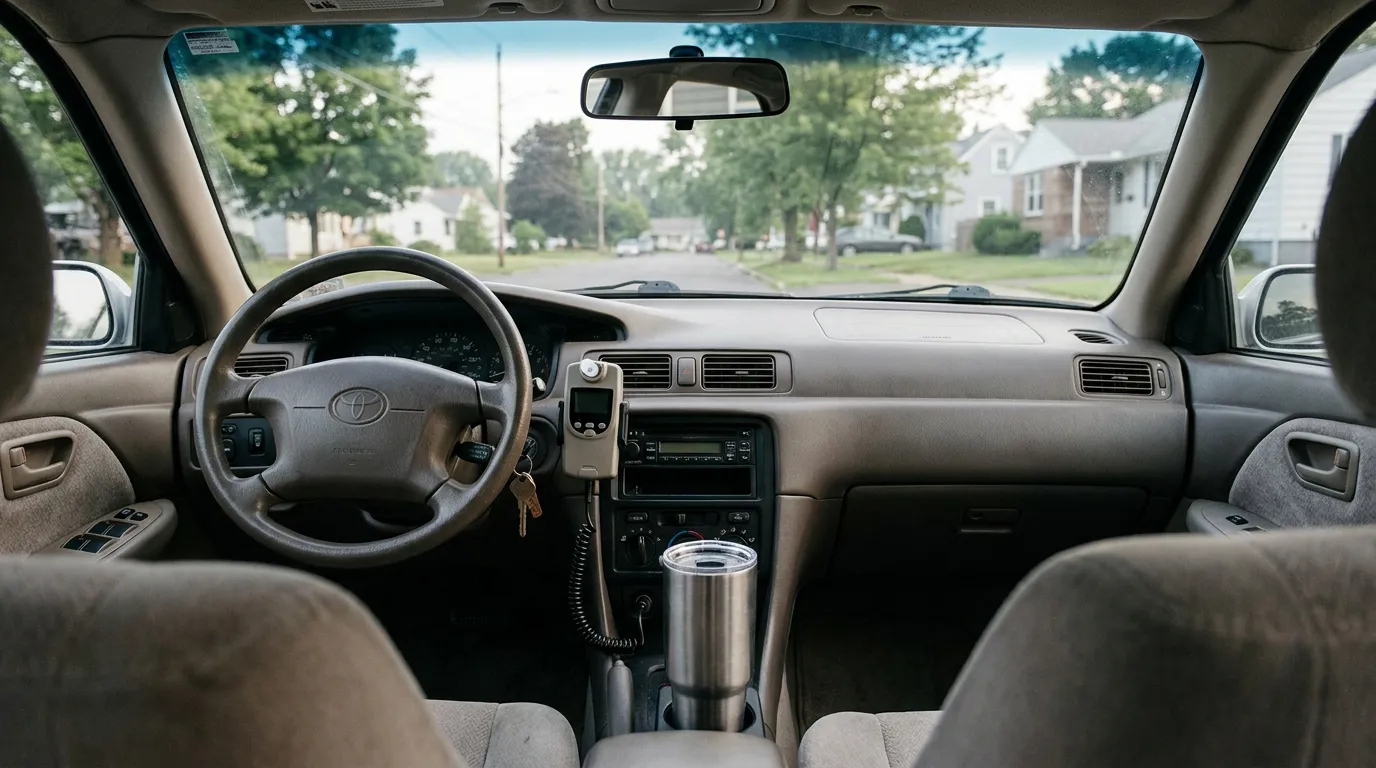
Interlock Violations in Schenectady County: What Actually Triggers a Charge
Key Takeaways: An ignition interlock violation in New York extends beyond failed breath samples. Under VTL § 1198(9)(a)-(d), four behaviors are Class A misdemeanors: asking someone else to blow into the device, blowing on behalf of a restricted driver, tampering with or circumventing the device, and driving without a required device. The most common charge in Schenectady County is driving the wrong car, as the restriction follows the driver to leased, rented, and borrowed vehicles, and employer-owned vehicles unless the narrow exemption in VTL § 1198(8) is satisfied. A violation allegation may put the underlying DWI sentence back in play under VTL § 1198(4)(a), while the DMV can separately revoke a post-revocation conditional license. Defenses often turn on documentation, calibration records, and proof of actual operation and an active court order.
An ignition interlock violation in New York is not limited to a failed breath sample. Vehicle and Traffic Law § 1198(9)(a)-(d) criminalizes four distinct behaviors: a restricted driver requesting or allowing another person to blow into the device; blowing into a device to provide an operable car to a restricted driver; tampering with or circumventing an operable device; and operating a motor vehicle without a required device. These are Class A misdemeanors under VTL § 1198(9)(e), the most serious misdemeanor class New York recognizes. Many Schenectady County clients are surprised that the most common exposure comes from driving the wrong car, not drinking.
If you have received a notice of violation, probation summons, or monitoring report, the response window may be short. Hacker Murphy handles these matters throughout the Capital District. Call 518-274-5820 or contact us now to discuss your options.
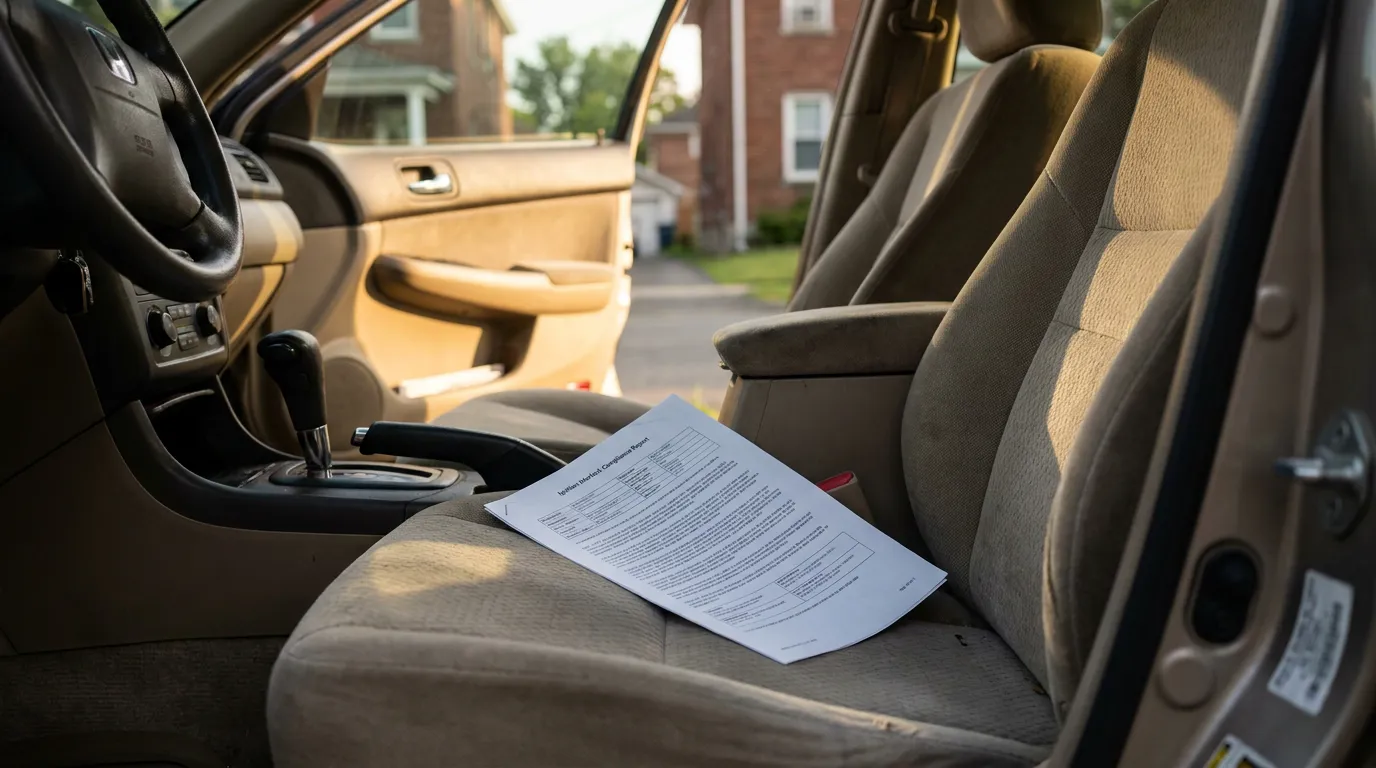
Where the Interlock Requirement Comes From
New York’s interlock framework traces to Leandra’s Law, Chapter 496 of the Laws of 2009, which made devices mandatory for all DWI offenders including first-time offenders. The monitoring obligation applies to defendants sentenced on or after August 15, 2010 for convictions under VTL § 1192(2), (2-a), or (3), or for crimes having an alcohol-related § 1192 violation as an essential element.
The operative rules sit in Vehicle and Traffic Law § 1198. You can review the full text of VTL 1198 installation rules to see how broadly the obligations are drafted. Under VTL § 1198(1), the provisions apply “throughout the state” to each person a court requires to install and operate a device in any vehicle owned or operated. There is no Schenectady-specific carve-out.
Manufacturers must warn users directly. VTL § 1198(10) directs the Department of Health to design a label affixed to each device advising that anyone tampering with, circumventing, or otherwise misusing it is guilty of a misdemeanor and may face civil liability. This label often becomes an exhibit showing the driver had notice.
The Most Common Ignition Interlock Violation in New York
The most frequent charge is driving a vehicle without the device. VTL § 1198(9)(d) makes it a Class A misdemeanor for a driver subject to a court-ordered interlock to operate a motor vehicle without one. This includes operating an employer’s vehicle without an interlock unless the statutory exemption under VTL § 1198(8) applies. That exemption is narrow: the vehicle must be owned by the employer, driving must be within the course and scope of employment, the employer must have been notified of the restriction, and written documentation must be provided to the court and probation department. A vehicle owned by a business the restricted driver owns or controls does not qualify.
The restriction follows the driver, not a single registered car. Under VTL § 1198(7)(a)-(c), the obligation extends to leased, rented, and borrowed vehicles; knowingly lending a vehicle to a person known to be interlock-restricted creates misdemeanor exposure for the lender; and the restricted driver must notify anyone who rents, leases, or loans a vehicle of the restriction. Recurring fact patterns in Schenectady County include:
-
Moving a spouse’s uninstalled car out of a driveway or off a snow-emergency street
-
Taking a company truck on a job site run without employer documentation filed
-
Driving a rental after a breakdown, assuming a temporary exception applies
-
Letting a family member’s insurance or registration issue drive the choice of car
Apart from the employer-vehicle exemption, the statute contains no de minimis exception for short distances.
💡 Pro Tip: If your employment may require driving a company vehicle, raise the Employer Acknowledgement Form issue at sentencing rather than after a violation is alleged. Retroactive paperwork rarely resolves a pending charge.
Circumvention and Tampering: A Separate Tier of Exposure
Circumvention violations are charged as criminal offenses. VTL § 1198(9)(c) prohibits tampering with or circumventing an otherwise operable device, and VTL § 1198(9)(e) classifies convictions as Class A misdemeanors. Substitute breath sample exposure applies separately: VTL § 1198(9)(a) penalizes the restricted driver who requests or allows another person to blow into the device, while VTL § 1198(9)(b) penalizes the person who actually blows into the device to provide an operable vehicle to a restricted driver.
How Charging Tiers Differ
State charging guidance separates interlock offenses into two tiers. Violations of VTL 1198-7 are unclassified misdemeanors, while VTL 1198-9 circumvention charges are Class A misdemeanors. A driver with an interlock restriction who operates a vehicle in violation may also be charged under VTL § 509(3), generally handled as a traffic infraction with DMV consequences.
|
Conduct |
Authority |
Classification |
|---|---|---|
|
Interlock requirements under subdivision 7 |
VTL § 1198(7) |
Unclassified misdemeanor |
|
Requesting or providing a substitute breath sample |
VTL § 1198(9)(a)-(b) |
Class A misdemeanor |
|
Tampering or circumventing an operable device |
VTL § 1198(9)(c) |
Class A misdemeanor |
|
Operating a vehicle without a required device |
VTL § 1198(9)(d) |
Class A misdemeanor |
|
Operating in violation of a license restriction |
VTL § 509(3) |
Traffic infraction, plus DMV consequences |
The Sentencing Side Nobody Warns You About
A violation allegation may put your underlying DWI sentence back in play. Under VTL § 1198(4)(a), failing to provide proof of installation can result in the court revoking, modifying, or terminating probation or conditional discharge, absent a good-cause finding entered on the record. The interlock charge and the probation violation may move on separate tracks, and the probation track often moves first.
DMV Consequences Run in Parallel
A post-revocation conditional license carries its own revocation triggers. VTL § 1198(3)(c) permits the DMV to revoke that license for sufficient cause, including failure to comply with probation terms, conviction of any traffic offense other than parking, conviction of any alcohol or drug related offense, or failure to install or maintain the court-ordered device. These administrative actions are separate from the criminal case and may not be automatically resolved by a favorable outcome in court. Drivers familiar with the penalties for a first DWI offense in Schenectady are often caught off guard by how independently the licensing side operates.
Practical Defense Angles in a VTL 1198 Violation
Many defensible interlock cases turn on documentation, calibration, and the definition of operation. Reported lockouts and failed samples may have explanations that a monitoring report alone does not capture. A careful review begins with the monitor’s referral, the service center’s calibration and download records, and any camera images tied to the flagged event.
Prosecutors commonly argue that a flagged report establishes the violation. That argument may overlook required elements, including proof that the defendant operated a motor vehicle and that a court order was in effect. Where non-ownership or non-operation is genuinely at issue, VTL § 1198(4)(a) contemplates a good-cause finding placed on the record, which must be preserved early. A Schenectady DWI attorney can also evaluate whether the underlying sentencing conditions were properly imposed and explained.
💡 Pro Tip: Keep every service center receipt, calibration appointment confirmation, and monitoring correspondence in one place. The difference between a dismissed and sustained allegation often comes down to whether a driver can document timely compliance.
Frequently Asked Questions
1. Does a failed breath test on the device always mean a criminal charge?
Not necessarily. A failed or aborted sample is reported to the monitor and may trigger probation review, but the criminal offenses in VTL § 1198(9)(a)-(d) address substitute samples, tampering, circumvention, and driving without a device. Whether a reported event becomes a charge depends on the specific facts and the monitoring agency’s referral.
2. Can I drive my employer’s vehicle without an interlock?
Only if the narrow exemption in VTL § 1198(8) is satisfied. That provision permits operation of an employer-owned vehicle without a device solely within the course and scope of employment, where the employer has been notified and written documentation has been provided to the court and probation department. Otherwise, driving an employer’s vehicle without a device is a Class A misdemeanor.
3. What happens if someone lends me their car?
Under VTL § 1198(7)(a)-(c), the requirement extends to leased, rented, and borrowed vehicles. Knowingly lending a vehicle to a person known to be interlock-restricted without a device is a misdemeanor. The restricted driver must also notify anyone loaning a vehicle of the restriction.
4. Can the court undo my probation over an interlock issue?
Yes. VTL § 1198(4)(a) allows a court to revoke, modify, or terminate probation or conditional discharge for failure to provide proof of installation, absent a good-cause finding entered in the record. Outcomes are fact-dependent and vary by court.
5. Is the DMV consequence separate from the criminal case?
Yes. VTL § 1198(3)(c) authorizes revocation of a post-revocation conditional license for sufficient cause, including noncompliance with probation terms or failure to install or maintain the device, and that administrative process runs independently of the criminal charge.
What to Do Next If You Have Been Accused
Treat any interlock allegation as a criminal matter with a potential parallel licensing consequence. Preserve your device documentation, avoid driving any vehicle you are not certain is compliant, and do not discuss the flagged event with your monitor before getting counsel involved. Because these cases combine statutory interpretation, device data, and probation procedure, specific facts drive the outcome.
If you are facing an interlock allegation in Schenectady County, Hacker Murphy is prepared to review your monitoring records and sentencing conditions promptly. Call 518-274-5820 or request a consultation today.
Disclaimer: This content is for informational purposes only and is not legal advice. Every case is unique, and results may vary. Consult an attorney about your specific circumstances.