

After Your Collision: Understanding New York’s MV-104 Filing Requirements
The aftermath of a car accident can be overwhelming, especially when you’re unsure about legal reporting requirements. In New York State, filing the proper paperwork isn’t just recommended—it’s often mandatory. Under Section 605 of the New York State Vehicle and Traffic Law, drivers involved in certain types of accidents must file a Report of Motor Vehicle Accident (MV-104) with the Department of Motor Vehicles. Failing to comply with these requirements can result in serious consequences, including the suspension of your driving privileges until the report is on file. Understanding when and how to file this crucial document protects both your legal rights and your driving record.
💡 Pro Tip: Keep blank MV-104 forms in your glove compartment or download the form to your phone for quick access after an accident—you may need to file within 10 days of the incident.
Feeling overwhelmed by the ins and outs of accident reporting in New York? Hacker Murphy is here to help you navigate these challenging waters with ease. Don’t risk your driving privileges—give us a call at 518-600-3881 or contact us today for guidance tailored to your situation.
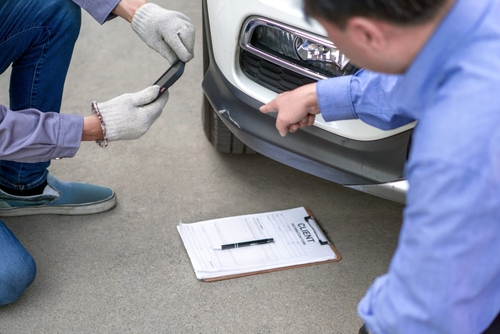
Your Legal Obligations When a Car Accident Lawyer in Schenectady, NY Would Recommend Filing
New York State law is specific about when you must file an MV-104 form. You are legally required to submit this report if any person is injured or killed in the accident, if damage to any one person’s property (including your own) exceeds $1,000, or if an e-bike or e-scooter is involved and someone is injured or killed. These requirements apply regardless of who was at fault in the accident. The DMV does not attempt to determine fault when a crash appears on your driving record—the report simply documents that an incident occurred. When you’re dealing with these reporting requirements, a car accident lawyer in schenectady, ny can help ensure you meet all legal obligations while protecting your interests.
Beyond the MV-104, additional reporting obligations may apply. If someone is injured or killed, you must immediately notify the police in addition to filing the crash report. Leaving the scene of an accident that causes personal injury or death is a serious crime in New York. For property damage-only accidents, you must exchange license, insurance, and registration information with all involved drivers. Even if the accident occurs in a private parking lot, these minor car accident reporting requirements still apply under New York law.
💡 Pro Tip: Take photos of all vehicle damage immediately after the accident—if repair estimates later exceed $1,000, you’ll have documentation to support your required MV-104 filing.
Critical Deadlines and Steps for Filing Your New York Crash Report
Time is of the essence when dealing with accident reporting in New York. While some jurisdictions require drivers to file an Accident and Insurance Report Form within 72 hours, New York generally allows 10 days to submit your MV-104. However, acting quickly benefits you in several ways. Insurance companies typically require prompt notification to investigate claims while evidence remains fresh, and delaying can complicate your case.
- Day of accident: Exchange information with all drivers, photograph the scene, and notify police if injuries occurred
- Within 24-48 hours: Contact your insurance company and begin gathering repair estimates to determine if the $1,000 threshold is met
- Within 10 days: Complete and mail the MV-104 form to the DMV address listed on page two of the form
- Keep copies: Maintain records of your filed report, police report number (if applicable), and all correspondence
- Monitor your driving record: The DMV’s Crash Re-evaluation Program flags drivers with three or more reportable crashes within 18 months
💡 Pro Tip: Complete your MV-104 form online if available, or fill it out electronically before printing—this ensures legibility and reduces processing delays that could affect your driving privileges.
Navigating Complex Reporting Requirements with Professional Legal Guidance
Understanding when to file a New York crash report becomes more complex as damage thresholds and regulations evolve. The MV-104 requirement in New York triggers at $1,000 in property damage. This reporting threshold can create confusion for drivers trying to comply with all applicable laws. When you work with a car accident lawyer in schenectady, ny from Hacker Murphy, you gain access to current knowledge of these requirements and assistance ensuring all necessary reports are filed correctly and on time.
The consequences of failing to file required reports extend beyond potential license suspension. Without proper documentation, you may face challenges with insurance claims, difficulty proving the extent of damages, and complications if injuries manifest days after the accident. A car accident lawyer in schenectady, ny understands how proper reporting protects your rights and can guide you through both immediate filing requirements and long-term legal considerations. Hacker Murphy’s attorneys stay current with New York’s evolving accident reporting laws and help clients navigate these requirements while building strong cases for compensation.
💡 Pro Tip: If you’re unsure whether damage exceeds the $1,000 threshold, err on the side of caution and file the MV-104—it’s better to over-report than risk license suspension for non-compliance.
Understanding Property Damage Calculations and Reporting Triggers
Determining whether property damage exceeds the $1,000 reporting threshold requires careful consideration of all damage resulting from the accident. This includes not only vehicle damage but also damage to personal property, road infrastructure, or private property like fences or mailboxes. Modern vehicles often sustain damage exceeding $1,000 even in seemingly minor collisions—a cracked bumper, damaged sensors, or scraped paint can quickly surpass this threshold. When calculating total damage, consider repair estimates from certified shops rather than guessing based on appearance alone.
Hidden Damage and Delayed Discovery
What appears to be minor car accident reporting requirements can become major obligations when hidden damage is discovered. Frame damage, compromised safety systems, or internal mechanical issues may not be immediately apparent. Some drivers discover days later that their alignment is off or that seemingly cosmetic damage actually affects critical vehicle systems. This is why obtaining professional damage assessments promptly after any collision is crucial. If delayed discovery pushes your total damage over the $1,000 threshold, you may still need to file an MV-104, even if the initial assessment suggested otherwise.
💡 Pro Tip: Request written estimates from body shops even for "minor" damage—verbal estimates won’t protect you if the DMV questions why you didn’t file an MV-104.
The Intersection of Criminal and Civil Reporting Requirements
New York’s accident reporting requirements serve both administrative and legal purposes. While the MV-104 creates an official record for the DMV, it also becomes part of a larger legal framework that can impact both criminal and civil proceedings. Drivers who fail to remain at the scene or report accidents involving injuries face potential criminal charges. Understanding these dual obligations helps protect you from unintended legal consequences. When working with a car accident lawyer in schenectady, ny, you benefit from guidance on meeting all reporting requirements while protecting your interests in potential legal proceedings.
Police Reports vs. DMV Reports: Understanding the Distinction
Many drivers assume that filing a police report satisfies all reporting requirements, but New York law requires separate documentation. The police report serves as an official record for law enforcement and often provides crucial evidence for insurance claims and legal proceedings. The MV-104, however, is specifically required by the DMV and serves different administrative purposes. Officers typically document circumstances, interview witnesses, and note observations about fault or contributing factors. Your MV-104 provides your account of the incident and ensures compliance with state motor vehicle laws. Both reports may be necessary, and each serves distinct legal purposes in protecting your rights and meeting your obligations.
💡 Pro Tip: Never assume that a police report substitutes for an MV-104—file both when required to avoid administrative penalties and strengthen your legal position.
Frequently Asked Questions
Common Questions About MV-104 Filing Requirements
Understanding New York’s accident reporting requirements can be confusing, especially when dealing with the stress of a recent collision. These questions address the most common concerns drivers face when determining their reporting obligations.
💡 Pro Tip: When in doubt about reporting requirements, consult with a car accident lawyer in schenectady, ny before the 10-day filing deadline to ensure compliance with all applicable laws.
Next Steps After Filing Your Reports
Once you’ve submitted your MV-104 and any required police reports, several important steps remain in protecting your rights and pursuing compensation for your damages. Understanding what happens after filing helps you prepare for the road ahead.
💡 Pro Tip: Keep detailed records of all accident-related expenses and correspondence—this documentation becomes crucial if you need to pursue a car accident claim in New York.
1. What happens if I don’t file an MV-104 when required in New York?
If you fail to file a New York crash report when required, the DMV may suspend your driving privileges until the report is on file. This suspension remains in effect regardless of fault in the accident. Additionally, missing this deadline can complicate insurance claims and potentially impact your ability to seek compensation for damages. The suspension is administrative, meaning it happens automatically without a hearing, making timely filing crucial for maintaining your driving privileges.
2. Do I need to file an MV-104 if the accident happened in Schenectady but I live elsewhere in New York?
Yes, the MV-104 filing requirement applies to any reportable accident occurring within New York State, regardless of where you live. The location of the accident—whether in downtown Schenectady near Union College or anywhere else in the state—doesn’t change your reporting obligations. You must file if the accident meets the threshold requirements: injury or death to any person, property damage exceeding $1,000, or involvement of an e-bike or e-scooter with injuries.
3. Can a car accident lawyer help if I missed the MV-104 filing deadline?
Yes, an experienced car accident attorney Schenectady residents trust can assist even if you’ve missed the initial filing deadline. While late filing may result in administrative consequences, an attorney can help you complete and submit the required documentation properly, potentially minimize penalties, and address any resulting license suspension issues. They can also ensure that late filing doesn’t negatively impact any insurance claims or legal proceedings related to your accident.
4. How long do accidents reported on the MV-104 stay on my New York driving record?
Accident reports typically remain on your New York driving record until the end of the year in which the accident occurred, plus three additional years, according to the NY DMV. The DMV’s Crash Re-evaluation Program specifically monitors drivers with three or more reportable crashes within an 18-month period. While the crash appears on your record, remember that this doesn’t indicate fault—the DMV does not make fault determinations when recording accidents. This information may be accessed by insurance companies and can affect your rates, making it important to work with qualified legal counsel for Schenectady car accident legal help to protect your interests.
5. Do I need to file an MV-104 for accidents in private parking lots in New York?
Yes, New York’s MV-104 filing requirements apply to accidents on both public roads and private property, including parking lots. If your accident in a shopping center parking lot or private property meets the reporting thresholds—injury, death, or property damage exceeding $1,000—you must file the report. This comprehensive requirement ensures that all significant accidents are documented, regardless of where they occur within the state. Many drivers mistakenly believe private property accidents don’t require reporting, but New York law makes no such distinction.
Work with a Trusted Car Accidents Lawyer
Navigating New York’s accident reporting requirements while recovering from a collision can feel overwhelming. Understanding when to file an MV-104, meeting strict deadlines, and ensuring compliance with both state and local regulations requires careful attention to detail. The stakes are high—failure to file can result in license suspension and complicate your path to fair compensation. At Hacker Murphy, our attorneys bring extensive experience handling car accident cases throughout New York, including helping clients understand and meet all reporting obligations. We stay current with evolving regulations and threshold changes, ensuring our clients remain compliant while building strong cases for compensation. Whether you need guidance on filing requirements, assistance with insurance claims, or representation in pursuing compensation for your injuries and damages, our team provides the knowledgeable support you need during this challenging time. Don’t risk your driving privileges or legal rights by navigating these requirements alone—reach out to discuss how we can protect your interests and guide you through New York’s complex accident reporting landscape.
Don’t let the complexities of accident reporting leave you in a bind. At Hacker Murphy, we’re here to steer you through New York’s legal maze with confidence. Reach out at 518-600-3881 or contact us to ensure your rights and driving privileges are protected.