
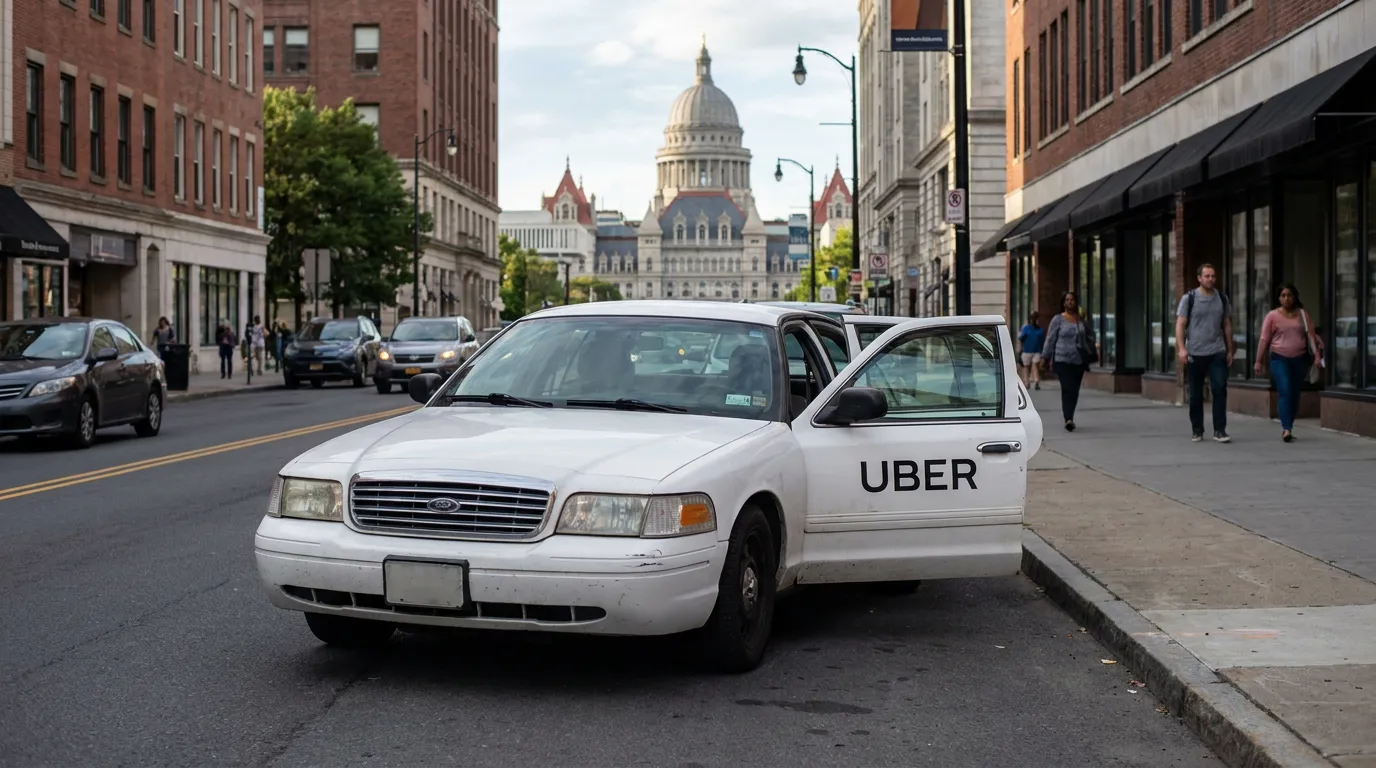
How Rideshare Insurance Pays Injured Passengers in the Capital Region
Key Takeaways: If you are hurt as an Uber or Lyft passenger in an Albany crash, your hospital bills are generally paid first through New York’s no-fault personal injury protection (PIP), covering medical costs, partial lost wages, and expenses regardless of fault. The rideshare company’s commercial policy provides additional recovery, with coverage varying by the driver’s app status. Uninsured/underinsured motorist coverage applies when the at-fault driver lacks insurance. To sue for pain and suffering, injuries must meet New York’s serious injury threshold, such as a fracture or permanent limitation. Because passengers are rarely at fault, New York’s comparative negligence rule usually does not reduce recovery. Insurers frequently dispute app status, serious injury, and proof of loss, so careful documentation and timely action matter. Consulting an Albany rideshare injury attorney early is the safest way to protect your recovery.
New York uses a no-fault car insurance framework, meaning an injured person seeks compensation for medical bills through personal injury protection (PIP) coverage regardless of who caused the wreck. Understanding which policy pays and when is the difference between mounting bills and a full recovery.
If you are facing surgery, a fractured limb, or a long hospital stay after a rideshare collision, the team at Hacker Murphy can help you sort out the layered coverage. Call us at 518-274-5820 or reach out through our online case review form to discuss your options.
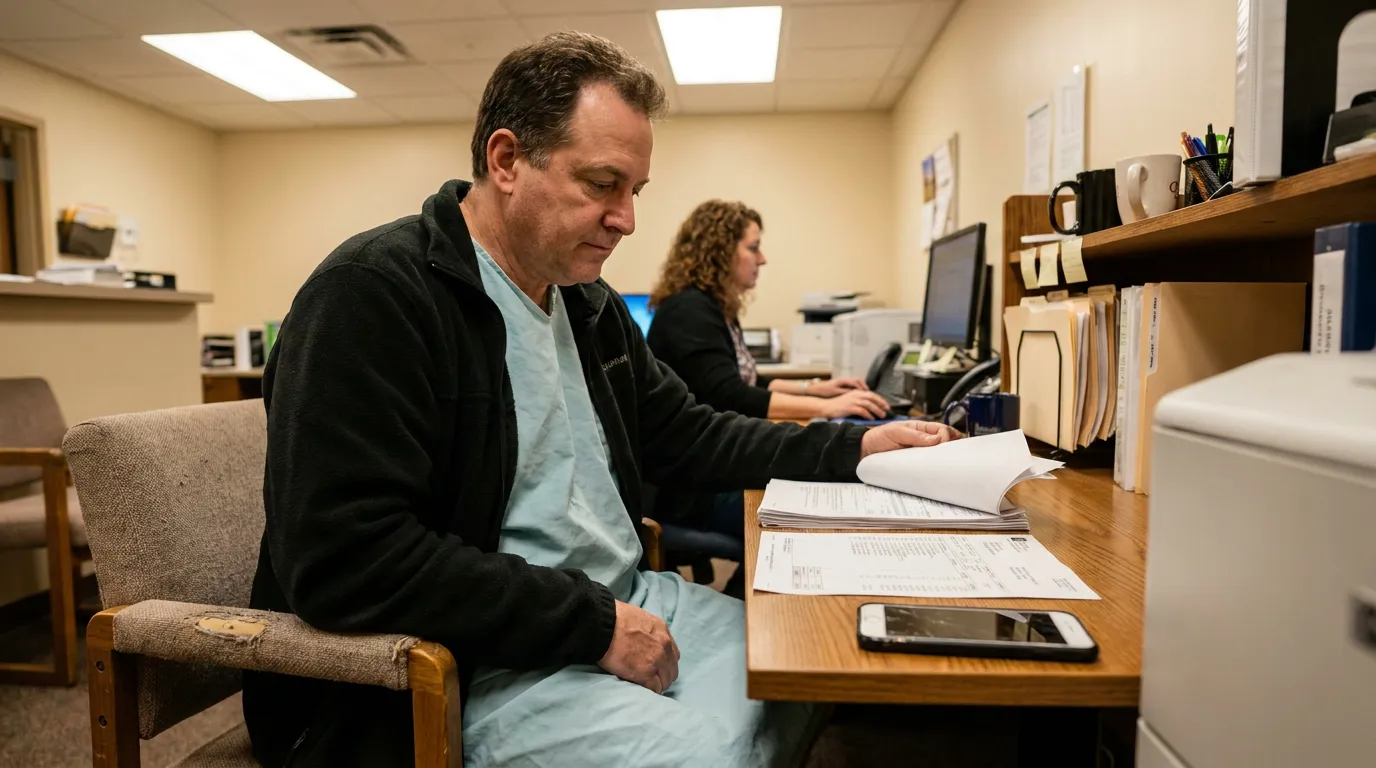
The First Layer: No-Fault PIP Pays Your Early Medical Bills
In most Albany rideshare crashes, no-fault PIP coverage is the first source that pays a passenger’s hospital costs, no matter who caused the collision. New York is a no-fault state, and an injured person typically files a claim under PIP coverage to get compensation for medical bills regardless of fault. This is designed to get treatment paid quickly while liability is being sorted out.
A New York PIP claim covers more than emergency room charges. Under NY Insurance Law § 5102, basic economic loss generally includes medical bills for reasonable and necessary accident-related care, lost wages at 80 percent up to $2,000 per month for three years, and other reasonable expenses up to $25 per day for a year, all subject to an aggregate limit of $50,000 per person — plus a separate $2,000 death benefit that is paid in addition to (not within) the $50,000 aggregate limit (with optional additional coverage available). You can read more about how New York’s no-fault PIP rideshare coverage works.
Timing matters, and the statute gives injured passengers real leverage. Under NY Insurance Law § 5106(a), no-fault benefits must be paid as the loss is incurred and are considered overdue if not paid within 30 days after the claimant supplies proof of loss. Overdue payments bear interest at 2 percent per month, and attorney fees may be available, providing meaningful protection when bills are piling up.
💡 Pro Tip: Keep every itemized medical bill, treatment record, and wage statement in one folder from day one. No-fault denials frequently turn on missing "proof of loss" paperwork, and organized records shorten the 30-day clock.
Uber Lyft Accident Liability Albany New York: How the Commercial Policy Fits In
Beyond your own no-fault benefits, the rideshare company’s commercial policy is often the largest source of recovery for an injured passenger. New York requires an Uber or Lyft group insurance policy to cover a rideshare vehicle in line with the state’s transportation network company (TNC) law. Under NY Insurance Law § 3455(c)(1), a TNC group policy must provide coverage for a TNC vehicle in accordance with Article 44-B of the Vehicle and Traffic Law.
Questions of Uber Lyft accident liability Albany New York passengers face often depend on which coverage phase applied at the crash. Coverage shifts depending on whether the driver was offline, waiting for a ride request, en route to a pickup, or actively carrying a passenger. Because you were a passenger, the highest coverage tier generally applied, though disputes over app status can complicate a claim. If you are unsure how phase disputes play out locally, our discussion of what happens when the rideshare app status is disputed walks through the practical issues.
The group policy can also add protections above the legal minimum. Under NY Insurance Law § 3455(c)(2), a TNC group policy may provide coverage for limits higher than required minimums and supplementary uninsured/underinsured motorists (SUM) insurance for bodily injury. This becomes important when an at-fault driver who strikes the rideshare vehicle carries little or no coverage.
When the At-Fault Driver Is Uninsured or Cannot Be Found
If the driver who caused the Albany crash is uninsured, an unidentified hit-and-run, or has an insurer that denies coverage, New York’s uninsured motorist framework provides a recovery source. Under NY Insurance Law § 3420(f)(1), uninsured motorist coverage extends up to $25,000 for bodily injury to one person in any one accident, and up to $50,000 per accident when two or more persons are injured or killed — these are the mandatory minimum split limits. Higher aggregate limits may be available through a rideshare SUM endorsement.
There is an important limit on what uninsured motorist coverage pays. Under NY Insurance Law § 3420(f)(1), no payment for non-economic loss, such as pain and suffering, is made unless the covered person has incurred a serious injury, and the coverage cannot duplicate basic economic loss already provided under the no-fault article. This coverage supplements, rather than replaces, your PIP benefits.
Disputes over whether the driver was truly "working" for the rideshare company do not stall your basic benefits. Under NY Insurance Law § 5106(d)(2), a TNC group policy must provide first-party benefits when a dispute exists as to whether a driver was using or operating a vehicle in connection with a transportation network company. This provision keeps a passenger’s economic loss paid while insurers argue over responsibility.
Stepping Outside No-Fault: The Serious Injury Threshold
No-fault handles your bills, but it also limits your ability to sue for pain and suffering unless your injuries are serious. Under NY Insurance Law § 5104(a), there is generally no right of recovery for non-economic loss, except in the case of a serious injury, or for basic economic loss above no-fault limits. Only when injuries reach a certain threshold can an injured person step outside no-fault and bring a claim directly against the at-fault driver.
New York’s serious injury threshold under Insurance Law § 5102(d) is where most substantial rideshare claims live. Qualifying injuries generally include fractures, significant disfigurement, and a permanent limitation of use of a body organ, member, or system. These injuries push a claim beyond routine PIP reimbursement into a full liability lawsuit for the complete value of the harm.
Recovering the full value of your damages often requires representation focused on proving negligence and causation. Our attorneys handling Uber accident Albany New York matters routinely preserve police reports, app data, and witness statements to counter insurer denials. Insurers frequently argue that an injury does not meet the threshold, which is why medical documentation and, when needed, reconstruction analysis matter.
How Comparative Fault Affects a Passenger’s Recovery
New York’s comparative negligence rules strongly favor injured passengers. Under NY CPLR § 1411(a), culpable conduct attributable to a claimant does not bar recovery in personal injury cases outside the motor vehicle context; instead, the award is diminished in proportion to the claimant’s share of fault. However, for motor vehicle personal injury actions subject to Article 51 of the Insurance Law (including rideshare accidents), a 2026 amendment added CPLR § 1411(b), which bars recovery entirely if the claimant’s fault is greater than the combined fault of the defendant(s). New York therefore now follows a modified comparative negligence standard for motor vehicle cases, meaning an injured rideshare passenger cannot recover if found more than 50% at fault. Because a passenger is rarely responsible for a collision, comparative fault typically does not reduce a passenger’s recovery.
This rule provides meaningful protection for injured passengers. For a general overview of how comparative negligence works across jurisdictions, secondary sources explain the doctrine, though NY CPLR § 1411 controls here.
One additional wrinkle involves liens and deadlines. Under NY Insurance Law § 5104(b), where recovery against a non-covered party is allowed, an insurer that paid first-party benefits holds a lien against any recovery, and if the injured person does not sue within two years, the insurer may gain its own cause of action. Courts interpret these timing provisions strictly, so waiting can create complications.
Here is a simplified view of who generally pays at each stage:
- Immediately after the crash: No-fault PIP under NY Insurance Law § 5106 pays medical bills and lost wages regardless of fault.
- When injuries are serious: A liability claim against the at-fault driver or the rideshare commercial policy under NY Insurance Law § 3455 addresses damages beyond PIP.
- When the at-fault driver is uninsured: Uninsured/underinsured motorist coverage under NY Insurance Law § 3420(f) provides an additional source.
Frequently Asked Questions
1. Does my own health insurance or the driver pay my bills first?
Generally, no-fault PIP pays first. Under New York’s no-fault system, a passenger typically seeks medical bill compensation through PIP coverage before pursuing any liability claim, regardless of which driver was at fault.
2. What if Uber claims the driver was not on the app?
Your basic benefits should still be paid. Under NY Insurance Law § 5106(d)(2), first-party benefits must be provided even while a dispute exists over whether the driver was operating in connection with the rideshare company. The status fight generally happens between insurers.
3. Can I sue for pain and suffering as a passenger?
Only if your injury meets the serious injury threshold. Under NY Insurance Law § 5104(a) and § 5102(d), non-economic damages generally require a qualifying serious injury, such as a fracture or permanent limitation. Whether an injury qualifies is fact-specific and often contested.
4. Will being partly at fault reduce what I recover?
Rarely, for a passenger. Under NY CPLR § 1411, New York’s comparative negligence rule reduces recovery by your proportional share of fault, and under the modified standard applicable to motor vehicle cases, a passenger found more than 50% at fault would be barred from recovery — though passengers are seldom assigned any fault. In many cases, a passenger’s recovery is not reduced.
5. How long do I have to file a rideshare injury lawsuit?
A personal injury action in New York generally must be filed within three years, subject to exceptions. Deadlines can shorten depending on the parties and facts. Confirming your specific deadline early with an Albany rideshare injury lawyer is the safest course.
Protecting Your Recovery After an Albany Rideshare Crash
Who pays an Albany Uber passenger’s hospital bills depends on layered coverage: no-fault PIP first, then the rideshare commercial policy, and finally a liability or uninsured motorist claim when injuries are serious. New York’s statutes give injured passengers strong tools, from prompt-payment rules to comparative negligence protection, but insurers routinely dispute app status, serious injury, and proof of loss.
If you or a loved one suffered a serious injury as a rideshare passenger, do not let coverage confusion delay your treatment or recovery. The attorneys at Hacker Murphy understand how Uber crash liability in Albany New York claims move through the no-fault and liability systems. Call 518-274-5820 or request a consultation online to protect your rights today.