

Youthful Offender Eligibility at 16, 17, and 18 in Albany County
Key Takeaways: Under N.Y. Criminal Procedure Law § 720.10, anyone who was at least 16 and under 19 on the date of the alleged crime generally counts as a “youth.” A youth is eligible for youthful offender status unless a statutory exception applies. The exceptions cover class A-I and A-II felony convictions, a prior felony conviction and sentence, a prior youthful offender finding after a felony, and a juvenile delinquency finding for a designated felony act. Armed felonies, first-degree rape, first-degree criminal sexual act, and aggravated sexual abuse are also excluded. Under subdivision three, the court may still find a youth eligible if there are mitigating circumstances or the youth played a fairly minor role. Sixteen- and seventeen-year-olds charged with felonies usually start in the Youth Part as adolescent offenders, and their cases may be sent to Family Court first. Eighteen-year-olds are generally prosecuted as adults. Even when a youth is eligible, the judge decides whether to grant the status, and must make that decision for every eligible youth. If granted, it replaces the conviction and the records are generally confidential.
Many New Yorkers charged with a crime they allegedly committed at 16, 17, or 18 may qualify as an “eligible youth” for youthful offender treatment, but eligibility does not mean the court will grant it. Under N.Y. Criminal Procedure Law § 720.10, a “youth” is generally someone who was at least 16 and under 19 when the alleged crime happened. A youth is eligible unless a statutory exception applies. Those exceptions cover the most serious felonies, some armed and sex offenses, and certain prior records. Even when no exception applies, the judge usually decides whether to grant youthful offender status NY, often one of the most important choices in a young person’s case.
If your son, your daughter, or you were charged in Albany, Rensselaer, or Saratoga County, planning for youthful offender treatment should start long before sentencing. Hacker Murphy can review the charge, the record, and the plea options to see where the case stands. Call 518-274-5820 or contact us now to talk about your situation in confidence.
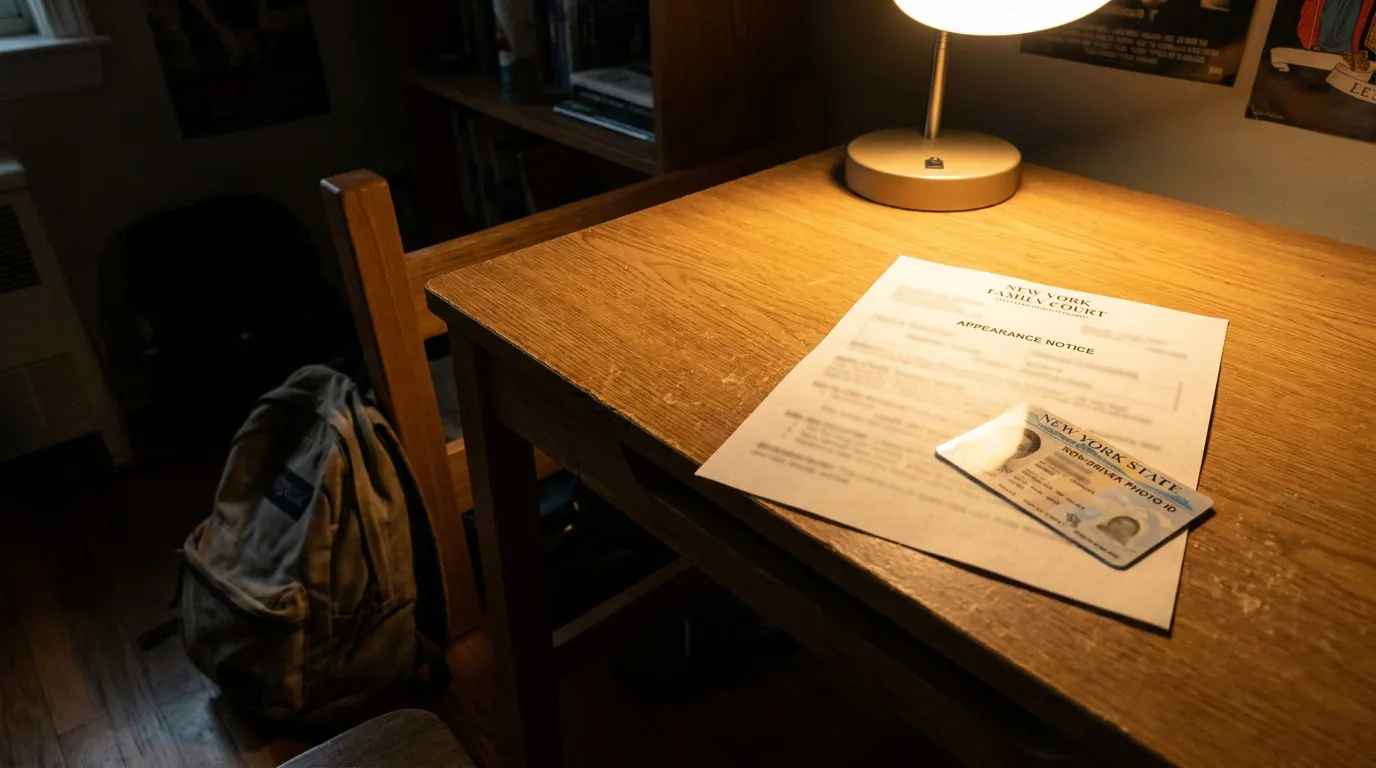
Why Age at the Time of the Offense Controls
What counts is the defendant’s age on the date of the alleged crime, not the age at arrest, indictment, or sentencing. Someone who allegedly committed an offense at 18 and was arrested at 19 may still be a “youth” under the statute. Slow investigations, such as sealed indictments or drug cases waiting on lab results, can reach court after a birthday, so the exact offense date can matter a lot.
The statute also covers some defendants younger than 16. N.Y. Criminal Procedure Law § 720.10(1) includes anyone charged as a “juvenile offender” under N.Y. Criminal Procedure Law § 1.20(42). That covers a 13-year-old charged with certain forms of second-degree murder and a 14- or 15-year-old charged with listed serious felonies, such as first-degree robbery or first-degree burglary.
💡 Pro Tip: Lawmakers have proposed raising the youth age limit to under 21, including in Senate Bill S520 from the 2019-2020 session. The bill’s own memo confirmed that the current limit is under 19. Do not assume a 19- or 20-year-old qualifies. Check the statute as it reads today.
How Raise the Age Changes the Path for 16- and 17-Year-Olds
Sixteen- and seventeen-year-olds facing felony charges usually start in a different court than 18-year-olds. Under N.Y. Criminal Procedure Law § 1.20(44), an “adolescent offender” is someone charged with a felony committed at 16 (on or after October 1, 2018) or at 17 (on or after October 1, 2019). Those cases generally start in the Youth Part of the superior court. Many can be sent to Family Court, and the law presumes removal for most non-violent felonies unless the DA shows extraordinary circumstances.
|
Age at Offense |
Typical Felony Path |
Youthful Offender Possible? |
|---|---|---|
|
13, 14, and 15 (listed felonies) |
Juvenile offender, Youth Part |
Yes, subject to exceptions |
|
16, 17 |
Adolescent offender, Youth Part; removal to Family Court possible |
Yes, if the case stays in criminal court |
|
18 |
Prosecuted as an adult |
Yes, subject to exceptions |
Removal to Family Court Can Make Youthful Offender Status Unnecessary
For many adolescent offenders, the first defense goal is removal, with youthful offender treatment as a backup. Under N.Y. Criminal Procedure Law § 722.21(5), if the district attorney moves for removal, the court may remove the case when it finds removal serves the interests of justice. For more serious charges, including second-degree murder, first-degree rape, first-degree criminal sexual act, and armed felonies, the court must also find mitigating circumstances, a fairly minor role, or possible weaknesses in the proof. Defense counsel often works to persuade the DA to make or consent to that motion.
Eighteen-Year-Olds Face Adult Prosecution
An 18-year-old is generally prosecuted as an adult, so a youthful offender finding is often the main protection available. These cases usually go through local criminal courts or County Court like any adult case, which makes early plea talks and a strong sentencing record especially important.
Who Is Excluded From Youthful Offender Eligibility
A youth is not eligible if the conviction falls into certain categories or the youth’s prior record bars relief. Under CPL 720.10(2), the exclusions include:
-
A conviction for a class A-I or A-II felony
-
An armed felony under N.Y. Criminal Procedure Law § 1.20(41), first-degree rape, first-degree criminal sexual act (formerly Penal Law § 130.50), or aggravated sexual abuse, unless subdivision three applies
-
A prior felony conviction and sentence
-
A prior youthful offender finding after a felony conviction, or a juvenile delinquency finding for a designated felony act on or after September 1, 1978
The Subdivision Three Exception for Armed and Sex Offenses
The armed felony and listed sex offense bars are not absolute. Under N.Y. Criminal Procedure Law § 720.10(3), the court may still find the youth eligible if there are mitigating circumstances that bear directly on how the crime was committed. The court may also find eligibility if the defendant was not the only participant and played a fairly minor role, though not one so minor that it would be a defense. In People v. Middlebrooks, 25 N.Y.3d 516 (2015), the Court of Appeals held that sentencing courts must decide on the record whether a youth convicted of an armed felony qualifies under this exception, even if the defendant does not ask.
Granting Youthful Offender Status NY Is Up to the Judge
Eligibility only gets a youth considered. In most cases, the sentencing judge decides whether to grant youthful offender status. There is one exception under N.Y. Criminal Procedure Law § 720.20. For a conviction in a local criminal court, the court must grant the status if the youth had no prior conviction or youthful offender finding. Courts generally weigh the offense’s seriousness, the youth’s role, past contact with the system, school or work history, family support, and whether the youth has accepted responsibility. In People v. Rudolph, 21 N.Y.3d 497 (2013), the Court of Appeals held that the court must make a youthful offender decision for every eligible youth, even if the defendant did not ask for it or agreed to give it up in a plea deal.
In our experience, prosecutors who oppose youthful offender treatment usually focus on violence, injury to a victim, weapons, or repeat conduct. The defense answer is a well-documented sentencing presentation, which can include school records, progress in counseling, work history, letters of support, and context about the youth’s role. Judges in the Capital Region generally want real proof of change, not just promises.
What a Youthful Offender Finding Does
When the court grants it, the youthful offender finding replaces the conviction. A youthful offender adjudication is not a criminal conviction. Under N.Y. Criminal Procedure Law § 720.35, the records are confidential, with limited exceptions. This can matter a lot later for college applications, jobs, and professional licenses. The sentence may still include probation or, in some cases, jail or prison.
Plea Deals That Keep Eligibility Open
Sometimes the plea itself decides whether youthful offender treatment is even possible. N.Y. Criminal Procedure Law § 220.30(3)(b)(i) generally limits pleas that resolve an indictment charging a class A-I drug felony under Penal Law article 220. With the DA’s consent, an eligible youth may plead to a class B felony so the court can consider a youthful offender finding. Negotiating a plea to a charge outside the exclusions, such as an unarmed robbery count in place of an armed one, can be one of a defense lawyer’s most useful tools.
What to Do Next if Your Child Is Charged
The best time to protect youthful offender eligibility is before any plea is entered. Practical steps include:
-
Do not discuss the facts with police, school officials, or on social media.
-
Confirm the exact offense date and the defendant’s age on that date.
-
Gather school, medical, counseling, and work records early.
-
Have counsel review the charges for exclusions and for removal or plea options.
A youthful offender status NY lawyer can spot whether the charge, the record, or the plea terms put eligibility at risk. Each case turns on its own facts, and no outcome can be promised.
Frequently Asked Questions
1. Does every 16-, 17-, or 18-year-old qualify for youthful offender status?
No. A youth is eligible only if no statutory exception applies. Even then, the judge usually decides whether to grant or deny it.
2. Can someone charged with an armed felony get youthful offender treatment?
Possibly. Under N.Y. Criminal Procedure Law § 720.10(3), the court may find eligibility based on mitigating circumstances or a fairly minor role.
3. Can a youth get youthful offender status more than once?
A prior youthful offender finding after a felony conviction bars a second one. A prior felony conviction and sentence also bars it.
4. Can a plea deal waive youthful offender consideration?
No. Under People v. Rudolph, the court must still decide for an eligible youth, even if the plea deal says otherwise. You can find more about plea strategy and sentencing on our criminal defense blog.
5. Is a youthful offender adjudication a conviction?
No. It replaces the conviction, and the records are confidential, with limited exceptions.
Protecting a Young Person’s Future in Capital Region Courts
Youthful offender eligibility depends on age at the offense, the specific conviction, prior record, and usually the judge’s choice. For 16- and 17-year-olds, removal to Family Court may come first. For 18-year-olds, youthful offender treatment is often the main protection. Careful plea talks and a strong sentencing record can improve the odds, but results depend on the facts.
If you or your child faces charges in Albany or nearby counties, getting advice early can keep options open that may later disappear. Reach out to Hacker Murphy at 518-274-5820 or schedule a consultation today.
Disclaimer: This content is for informational purposes only and is not legal advice. Every case is unique, and results may vary. Consult an attorney about your specific circumstances.