
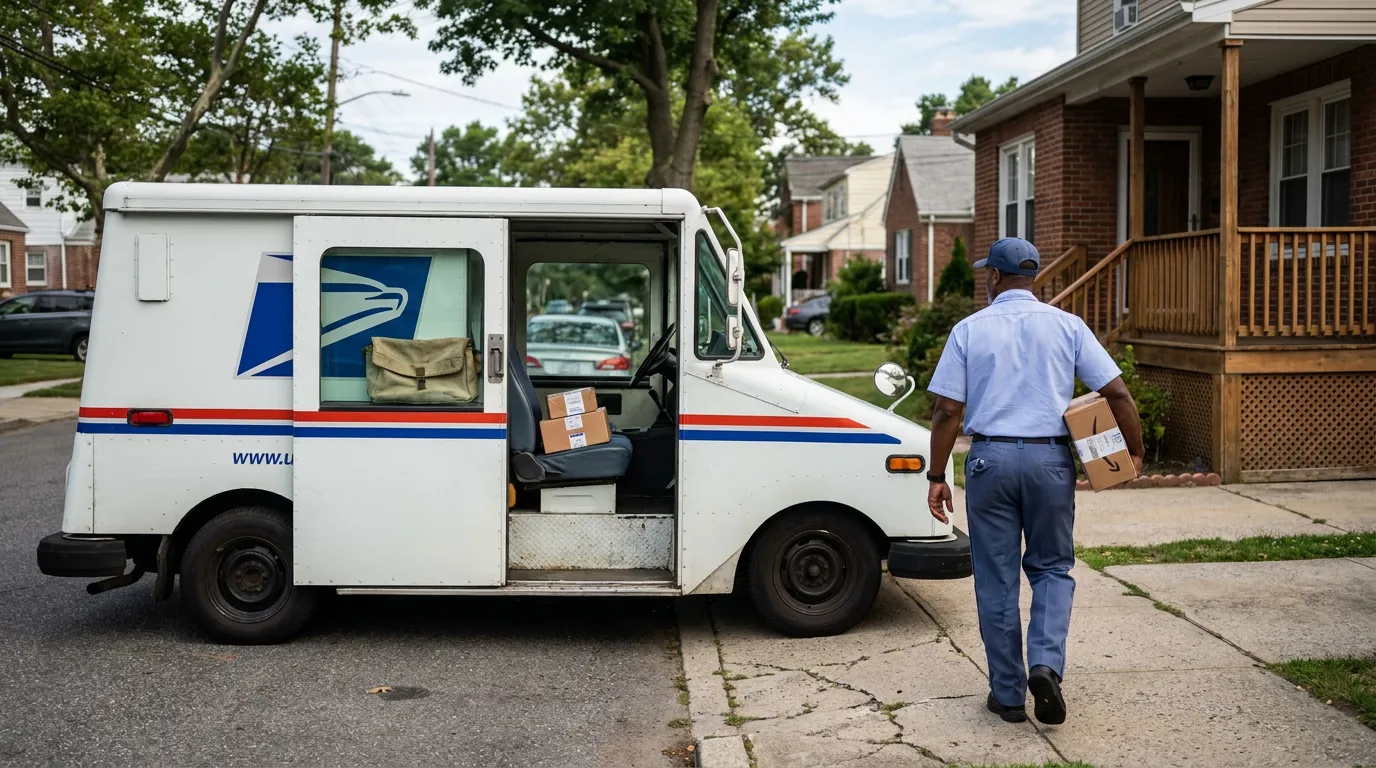
Bitten on the Route: What New York Delivery Drivers Can Recover After a Dog Attack
Key Takeaways: Delivery drivers bitten by dogs in New York aren’t limited to workers’ compensation, which covers medical care and partial wages but typically not pain, scarring, or emotional harm. A separate civil claim against the dog’s owner, often paid through homeowners or renters insurance, may provide fuller compensation. The Court of Appeals decision in Flanders v. Goodfellow (April 17, 2025) recognized ordinary negligence as an independent theory, so an injured driver may no longer need to prove the owner knew the dog had vicious propensities. Workers’ Compensation Law § 11 generally bars claims only against your employer, leaving a third-party case intact, though comp liens under § 29 must be negotiated carefully. A dangerous dog proceeding under Agriculture and Markets Law § 123 may strengthen the civil case, and Insurance Law § 3421 generally prevents insurers from denying coverage based solely on breed. Most personal injury claims must be filed within three years, and preserving scan data, photographs, and animal control reports early can be critical.
If a dog attacked you while delivering mail or packages in Albany, workers’ compensation may not be the end of your recovery. Comp generally pays medical treatment and partial lost wages, but typically not pain, disfigurement, or psychological aftermath. A separate civil claim against the dog’s owner, often paid through homeowners or renters insurance, may cover scarring, nerve damage, and permanent limitation. For USPS, Amazon, UPS, and FedEx drivers, New York law may now make that second claim meaningfully easier to bring than it was two years ago.
If you were bitten on a delivery route in the Capital Region, the attorneys at Hacker Murphy can evaluate both sides of your potential recovery. Call 518-274-5820 or request a free case review to discuss your options.

Why Flanders v. Goodfellow Changed the Calculus for Delivery Workers
The New York Court of Appeals decided Flanders v. Goodfellow on April 17, 2025, involving a postal carrier bitten while delivering a package. For decades under Bard v. Jahnke, a victim generally had to prove the owner knew or should have known of the animal’s vicious propensities, and no separate negligence claim was permitted. Flanders overruled Bard on that point and reinstated the plaintiff’s strict liability claim, noting that vicious propensities aren’t limited to prior bites and can include snarling, lunging, or repeatedly charging at people.
A bitten driver may now proceed on two tracks. Strict liability may still apply where the owner knew or should have known of the dog’s vicious propensities. Negligence may now apply where the owner simply failed to act reasonably, an unlatched gate, a dog off leash in an unfenced yard, or a resident opening the door with an agitated animal behind them. Delivery drivers may benefit disproportionately, since they approach porches and gates with no control over how the household manages its animals.
Insurers are responding to Flanders by pivoting their defense theory rather than conceding liability. Where carriers once argued only that there was no prior bite history, adjusters may now argue provocation, comparative fault for entering the yard, or that the driver ignored a posted warning sign. Comparative fault generally reduces recovery rather than barring it. These arguments are fact-dependent and can sometimes collapse once route data, scanner timestamps, and property photographs are pulled early.
Workers’ Comp Is a Floor, Not a Ceiling
Under New York Workers’ Compensation Law § 11, comp benefits are generally the exclusive remedy against your employer, but that exclusivity doesn’t typically extend to a negligent third party. The statute makes employer liability "exclusive and in place of any other liability whatsoever…on account of such injury or death." A homeowner whose dog attacked you is generally not your employer, so a third-party claim beyond workers’ comp typically isn’t barred.
Coordination between the two claims matters, and this is where unrepresented drivers may lose money. Workers’ Compensation Law § 29 gives the comp carrier a lien on third-party recovery up to benefits paid, and requires the carrier’s written consent or a court order before settling; settling without consent can jeopardize future benefits. Negotiating that lien down before settlement, rather than after, can significantly affect what a client ultimately keeps.
Federal postal employees generally fall under a different compensation system than private carriers. USPS letter carriers are typically covered by the Federal Employees’ Compensation Act rather than New York’s system, while Amazon DSP, UPS, and FedEx drivers generally proceed under New York’s system, depending on employment status. Either way, the civil claim against the dog owner is governed by state tort law.
When the Homeowner Tries to Blame Your Employer
Homeowners’ defense counsel sometimes tries to bring the delivery company into the case for contribution. Workers’ Compensation Law § 11 sharply limits this, permitting contribution or indemnity claims against an employer only where the employee sustained a "grave injury", defined narrowly to include death, permanent and total loss of use or amputation of an arm, leg, hand or foot, loss of multiple fingers, loss of multiple toes, paraplegia or quadriplegia, total and permanent blindness, total and permanent deafness, loss of nose, loss of ear, permanent and severe facial disfigurement, loss of an index finger, or an acquired injury to the brain caused by an external physical force resulting in permanent total disability. Courts read that list narrowly, and most dog bite cases don’t meet it, though a written indemnification agreement can create an exception.
The Dangerous Dog Designation and Why It Is Worth Pursuing
A separate proceeding under Agriculture and Markets Law § 123 may strengthen your civil case considerably. Under New York’s dangerous dog law, a court may declare a dog dangerous where it attacked a person without justification and caused injury, with procedures for evaluation, confinement, and owner accountability. Section 123(10) imposes strict liability on the owner for resulting medical costs, subject to exceptions for provocation, trespass, or tormenting the animal. The statute expressly preserves any other common law or statutory claim you may have.
This proceeding is legally separate from your civil lawsuit. A dangerous dog finding doesn’t resolve your damages claim, and its absence doesn’t defeat one either. It won’t always be binding in the civil case, but a judicial determination that the animal attacked without provocation can be persuasive evidence, and in our experience may speed up realistic settlement discussions.
💡 Pro Tip: Report the bite to Albany County or your local animal control the same week it happens. A contemporaneous complaint creates a record that may be harder for an insurer to characterize as delayed or exaggerated months later.
Homeowners Insurance Dog Bite Exclusions: What Actually Limits Coverage
Many dog attack recoveries are paid by a homeowners or renters policy, so understanding homeowners insurance dog bite exclusions can be central to valuing your case. Insurance Law § 3421(1) prohibits carriers from refusing to issue or renew, canceling, raising rates, or excluding coverage "based solely upon harboring or owning any dog of a specific breed." Breed alone generally isn’t a lawful basis to strip coverage, though the statute doesn’t create a private right of recovery for an injured claimant.
The statute contains a significant carve-out. Section 3421(2) permits insurers to raise premiums or refuse renewal based on a dog’s designation as "dangerous" under § 123, based on sound underwriting principles. That generally operates prospectively and doesn’t by itself eliminate coverage for an attack that already occurred under an in-force policy.
In practice, coverage fights rarely turn on breed at all. They more often turn on whether the policy has a specific animal exclusion endorsement, whether the dog’s owner is a named insured or an uninsured houseguest, whether a landlord’s separate policy is implicated, and whether limits are adequate for a severe injury. We routinely issue preservation letters and request policy disclosures early, since identifying every available coverage layer can matter as much as liability itself.
| Recovery Source | What It Typically Covers | What It Does Not Cover |
|---|---|---|
| Workers’ compensation | Authorized medical treatment, partial wage replacement | Pain and suffering, disfigurement, emotional harm |
| Third-party claim against dog owner | Full economic and non-economic damages | Amounts already paid by comp, subject to lien |
| Dangerous dog finding under § 123 | Strict liability for medical costs | General damages and future losses |
Serious Injuries Drive These Cases
Dog attacks on delivery workers often produce a recognizable injury pattern, and the severe ones generally offer more meaningful compensation. There’s no statutory injury threshold for a dog bite claim; the no-fault "serious injury" categories in Insurance Law § 5102(d) apply to motor vehicle cases, not animal attacks, but illustrate the kinds of findings, fractures, significant disfigurement, permanent limitation of use, that signal a substantial claim. Injuries we see most often in route attacks include:
- Deep puncture wounds to hands, forearms, and calves requiring surgical washout
- Nerve damage causing lasting numbness, weakness, or grip loss
- Permanent facial or limb scarring requiring staged revision surgery
- Crush fractures from large-breed takedowns and falls off porches
- Post-traumatic stress interfering with returning to a delivery route
Documenting the non-economic side takes deliberate work, not just a stack of bills. Serial photography at fixed intervals, a treating plastic surgeon’s revision plan, and vocational input on route capacity can all shape valuation. For a fuller breakdown of recoverable categories, consult a lawyer about how these losses are proven.
💡 Pro Tip: Ask your employer for the delivery scan record and GPS/telematics data for the stop within days, these records are frequently overwritten on short retention cycles and may establish exactly where you were standing during the attack.
Timing, Deadlines, and Why Delay Hurts
New York’s general personal injury limitations period under CPLR § 214(5) generally gives you three years from the date of the attack, and courts apply exceptions narrowly. Discovery-based accrual doesn’t ordinarily apply to a dog bite, where the injury is immediately apparent, and tolling doctrines like infancy or insanity under CPLR § 208 are limited and fact-specific. Assume the three-year clock is running from the date of the bite.
Separate deadlines can apply depending on who owns the property or the dog. Claims involving a municipality or public housing authority generally require a notice of claim within 90 days and suit within one year and 90 days, administrative prerequisites distinct from the general statute of limitations. Missing one may end an otherwise strong claim.
Frequently Asked Questions
1. Can I sue a homeowner if I already accepted workers’ compensation benefits?
In many cases, yes. Workers’ comp generally bars suit against your employer under § 11, but typically not against the dog owner. Your comp carrier will often assert a lien on any recovery under § 29, and its written consent or court approval is generally required before you settle.
2. Do I still have to prove the owner knew the dog was aggressive?
Not necessarily, following Flanders v. Goodfellow. You may pursue ordinary negligence based on the owner’s failure to use reasonable care, and strict liability may remain available where knowledge of vicious propensities can be shown.
3. Can an insurer deny the claim because of the dog’s breed?
Under Insurance Law § 3421(1), a New York insurer generally may not exclude or limit coverage based solely on breed. Denials more commonly rest on specific policy endorsements or disputes about who qualifies as an insured.
4. What if the dog owner rents the property?
A renters policy may respond, and a landlord who knew of a dangerous animal and had the ability to remove it may also bear responsibility, depending on the lease, the landlord’s actual knowledge, and the facts of the attack.
5. Does a dangerous dog hearing replace my lawsuit?
Generally, no. The § 123 proceeding addresses the dog and the owner’s statutory obligations, including strict liability for medical costs, and expressly preserves your other remedies. Your civil case for pain, scarring, and lost earning capacity generally proceeds separately.
Protecting Your Claim After a Route Attack
Delivery drivers occupy an unusual position in New York dog bite law: they’re on private property lawfully, without warning, and without any ability to control the animal. Flanders opened negligence as a potential route to recovery that didn’t exist before, and the exclusive remedy rule generally leaves a third-party claim intact. Outcomes always depend on the specific facts, documented injuries, and available coverage, but drivers who act quickly to preserve records and photographs may put themselves in a stronger position.
If a dog attacked you on your route, a delivery driver dog bite lawyer New York drivers rely on can help you pursue both potential tracks of recovery. Reach Hacker Murphy’s Albany team at 518-274-5820 or schedule your consultation today.
Disclaimer: This content is for informational purposes only and is not legal advice. Every case is unique, and results may vary. Consult an attorney about your specific circumstances.