
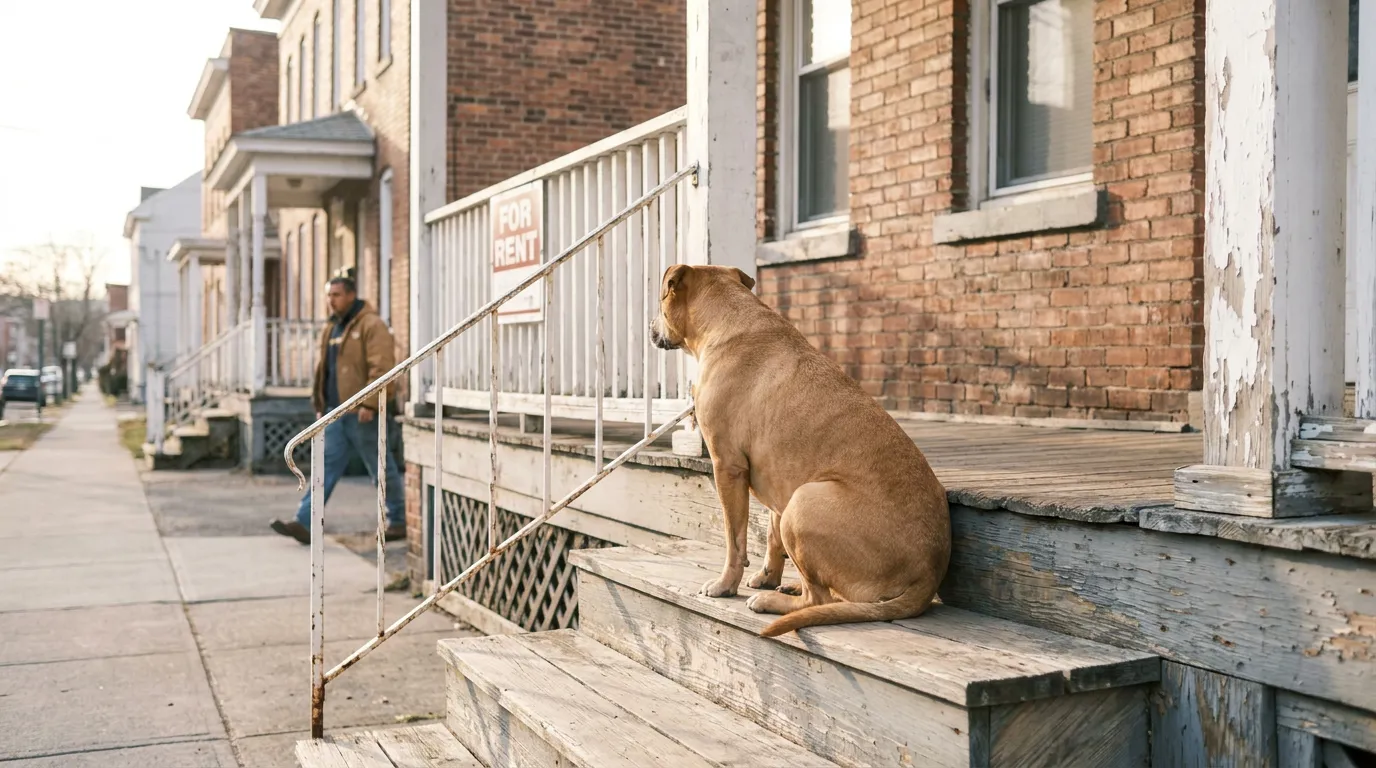
When a Tenant’s Dog Attacks: Understanding Landlord Responsibility in Troy
Key Takeaways: In Troy, landlords are not automatically liable for tenant dog bites, but liability attaches when the landlord had notice of the dog’s presence, knowledge of its vicious propensities, and sufficient control to remove or confine the animal. New York limits recovery to whoever owned or harbored the dog, yet appellate courts have expanded landlord exposure where evidence of knowledge and control exists. Proving knowledge through prior complaints, lease records, witness accounts, and animal control reports is decisive. New York’s dangerous dog statutes define what makes a dog dangerous and carry separate penalties from civil injury claims. Pursuing every responsible party matters because tenants often lack insurance while landlords may carry commercial coverage.
In most cases, a Troy landlord is not automatically liable for a tenant’s dog bite, but liability can attach when the landlord knew about the dog and its dangerous tendencies, had the ability to remove or confine it, and did nothing. New York does not impose blanket responsibility on property owners simply because an attack happened on their land. Instead, liability turns on knowledge, control, and foreseeability.
If you or your child suffered a serious dog bite on a rental property in Troy or anywhere in Rensselaer County, the team at Hacker Murphy can help you evaluate every potentially responsible party. Call us at 518-274-5820 or reach out through our confidential case review form to discuss your options.
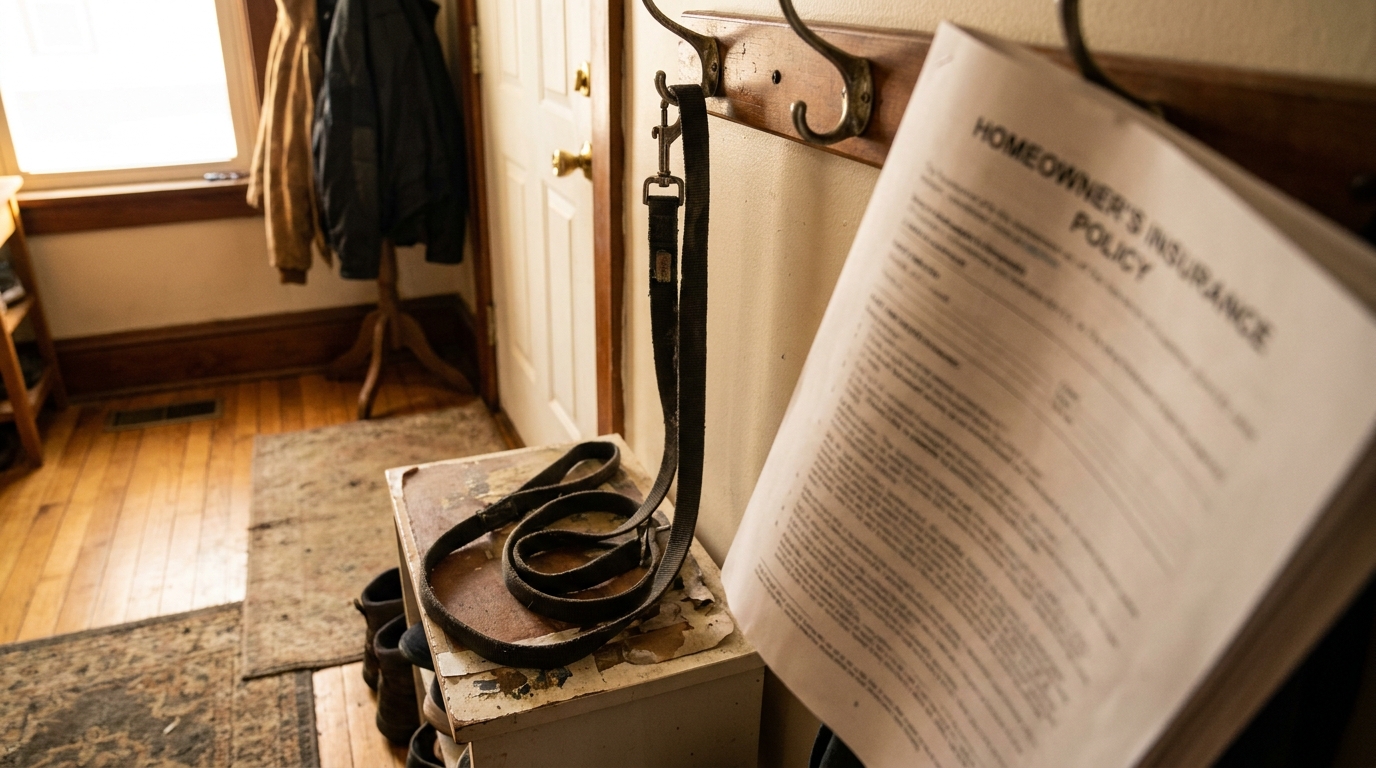
The Default Rule: Who New York Law Holds Responsible
Under New York law, the starting point is that a dog bite victim can recover only from a party who owned or harbored the dog. This limitation surprises many injured people. Current New York case law allows recovery only from someone who either owned or harbored the animal. A landlord who merely owns the building, with no involvement in keeping the dog, generally falls outside that category.
That default rule, however, is not the end of the analysis. New York recognizes that a property owner can be held liable when the landlord was on notice of a dog with vicious propensities and retained enough control over the premises to remove or confine it. The key question is whether the landlord crossed the line from passive building owner into someone who effectively permitted a known danger to remain.
💡 Pro Tip: Identify every possible defendant early. The dog owner, co-tenant, property manager, and building owner may all carry separate insurance.
When a Troy NY Premises Liability Dog Bite Claim Reaches the Landlord
A landlord’s exposure usually depends on connected facts: notice that a dog was on the premises, knowledge of its vicious propensities, and sufficient control of the property to remove or confine the animal. Landlord responsibility depends on whether the landlord had notice of the dog and knowledge of its vicious propensities. When these elements are present, an attack becomes foreseeable, and foreseeability is the foundation of a claim against a property owner.
Appellate courts have shown willingness to expand landlord exposure beyond what trial courts initially allow. In one instructive New York matter, the trial court ruled there was insufficient evidence that the landlord knew of the dog’s vicious nature, and an appeals court reversed. That history is a reminder that a denial at the early stage does not always settle the question. You can read more about this shift in our discussion of an important development in New York dog bite liability.
Proving a landlord’s knowledge is rarely straightforward. Landlords and their insurers typically argue they had no idea the dog existed or had shown aggression. Evidence we look for includes:
-
Prior complaints to the landlord or property manager about the dog
-
Lease provisions, emails, or texts acknowledging the animal
-
Witness accounts of earlier growling, lunging, or biting incidents
-
Animal control records or prior dangerous dog findings
-
Photographs of “Beware of Dog” signage placed by the tenant
💡 Pro Tip: Send a written preservation request quickly. Lease files, maintenance logs, and tenant complaint records can disappear.
How New York Defines a Dangerous Dog and Why It Matters
New York’s statutory definition of a dangerous dog frames much of the analysis in these cases. Under Agriculture and Markets Law § 108, a dangerous dog is defined as one that, without justification, (1) attacks a person, companion animal, farm animal, or domestic animal and causes physical injury or death; (2) behaves in a manner that a reasonable person would believe poses a serious and unjustified imminent threat of serious physical injury or death to one or more persons, companion animals, farm animals, or domestic animals; or (3) without justification attacks a service dog, guide dog, or hearing dog and causes physical injury or death. Evidence that a dog met this standard before your attack supports the argument that the danger was known and foreseeable.
The dangerous dog process itself is a separate administrative track from your injury lawsuit. Under Agriculture and Markets Law § 123, the person making the complaint must prove by clear and convincing evidence that the dog is dangerous, a higher standard than the preponderance of the evidence used in civil injury claims. A finding under that statute can carry civil penalties and criminal consequences, but it does not by itself resolve your right to compensation. New York’s framework is summarized in the state bar’s dangerous dog law Q&A.
The penalty structure signals how seriously New York treats these incidents. The figures below reflect general statutory exposure for a dog owner, separate from any civil damages an injured person may pursue.
|
Conduct |
General Penalty Exposure |
|---|---|
|
Dog bites a person |
Civil penalty up to $400 |
|
Bite causes serious physical injury |
Civil penalty up to $1,500 |
|
Repeat dangerous dog causing serious injury |
Misdemeanor, up to $3,000 fine and up to 90 days |
Certain defenses can block a dangerous dog finding. A dog generally cannot be declared dangerous if the attack occurred while a person was committing a crime on the property, if the person was tormenting, abusing, or threatening the dog, if the dog was responding to pain or injury, or if the dog was protecting itself, its owner, or household member. Anticipating these arguments helps preserve the facts showing your attack was unprovoked.
💡 Pro Tip: Photograph your injuries immediately and at each healing stage. Visual documentation often carries more weight with insurers than words alone.
Why a Dog Bite Lawyer in Troy New York Looks Beyond a Single Defendant
A dog bite lawyer in Troy New York evaluates landlord liability because the tenant who owns the dog frequently lacks the resources to fully compensate a serious injury. Renters often carry little or no insurance, while a building owner may hold a commercial liability policy that can respond to a claim. A landlord facing such a suit should notify their insurance carrier, and that insurance reality is why pursuing every responsible party can be the difference between a token recovery and full compensation.
New York’s serious injury threshold shapes which dog bite cases warrant multi-party pursuit. Although the formal threshold under Insurance Law § 5102(d) is rooted in motor vehicle law and does not directly govern dog bite claims, the categories it describes, fractures, significant disfigurement, and permanent limitation of a body member, describe the injuries that make a rental property dog bite claim worth fighting.
Preserving evidence of a landlord’s knowledge remains essential in New York, where foreseeability drives the claim. Our dog bite injury practice focuses on building exactly that proof.
💡 Pro Tip: Report the bite to Rensselaer County or local animal control promptly. An official incident record creates a contemporaneous, neutral account that is difficult to dispute later.
Frequently Asked Questions
1. Can I sue my landlord if my neighbor’s dog bit me in our Troy apartment building?
You may be able to, but only under specific conditions. You must show the landlord knew a dog was on the premises, knew it had vicious propensities, and had enough control to remove or confine it. Without that knowledge and control, New York’s default rule typically limits recovery to the dog’s owner or harborer.
2. What is the deadline to file a dog bite lawsuit in New York?
New York generally applies a three-year statute of limitations for personal injury claims, including dog bites. That deadline can be affected by factors such as the victim being a minor. Confirm your specific deadline with an attorney.
3. Does a verbal no-pets policy protect a landlord from liability?
Not necessarily. A landlord who knew a tenant kept a dog despite a no-pets rule may still face exposure if there was knowledge of the animal’s dangerous tendencies and the ability to act. The policy is one fact among many and does not automatically defeat a claim.
4. What compensation can I pursue in a rental property dog bite claim?
Compensation may include medical expenses, future surgical costs, lost income, and damages for pain, scarring, and emotional trauma such as PTSD. The value depends on the severity and permanence of the injury. Cases involving disfigurement or injuries to children generally carry the most significant damages.
5. How do I prove a landlord knew the dog was dangerous?
Proof usually comes from prior complaints, lease records, witness statements, and animal control reports. A Rensselaer County dog bite attorney can issue preservation demands and subpoena records before they are lost.
Protecting Your Right to Full Recovery After a Serious Dog Attack
Landlord liability for a tenant’s dog bite in Troy is possible but never automatic, and it depends on proving knowledge, notice, control, and foreseeability under New York law. The default rule favors recovery from the dog’s owner, yet a building owner who knowingly permitted a dangerous animal to remain when able to remove or confine it can be held accountable. For serious injuries involving fractures, disfigurement, or lasting trauma, identifying every responsible party and preserving evidence quickly often determines whether you achieve a meaningful outcome.
If a serious dog attack on a rental property has upended your life, do not wait for an insurer to define the value of your claim. Contact Hacker Murphy through our online intake page, call our Troy team at 518-274-5820, or visit our firm website to schedule a confidential consultation and learn how we can pursue full compensation on your behalf.