
How Felony Plea Bargains Actually Work in Albany County Court
Key Takeaways: A felony plea bargain in Albany County Court is a negotiated agreement where a defendant pleads guilty in exchange for reduced charges, lighter sentencing, or another benefit. The judge must review and approve any deal before it becomes final. During the plea colloquy, the court confirms the defendant understands the charges, rights being waived, and potential consequences. A criminal defense attorney in Albany, NY can evaluate whether a plea offer serves your interests or whether trial is the stronger move.
A felony plea bargain is a negotiated resolution between prosecution and defense in which a defendant agrees to plead guilty in exchange for charge reduction, favorable sentencing recommendation, or other concession. In Albany County Court, the stakes extend beyond the case itself. A felony conviction can affect employment, licensing, housing, and immigration status. The key question is whether the offer is worth taking, and what happens if the judge rejects it.
If you are facing felony charges and weighing a potential plea offer, the team at Hacker Murphy can help you understand your options. Call 518-274-5820 to speak with an attorney, or reach out online to schedule a consultation.
Why Felony Cases Are Handled in Albany County Court
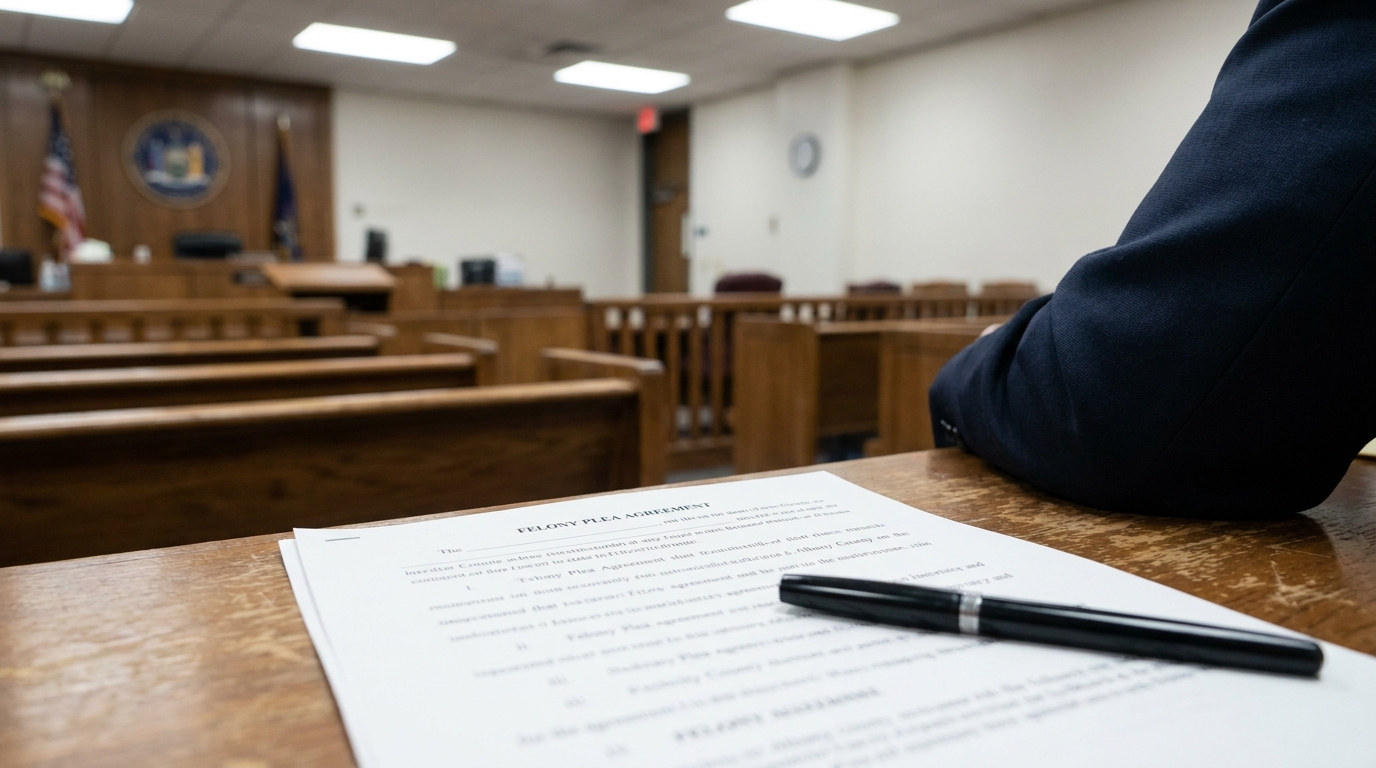
Albany County Court holds exclusive authority to conduct felony trials, distinguishing it from City Courts and Town or Village Courts limited to misdemeanors and violations. Any charge classified as a felony under New York Penal Law must proceed through County Court. Local courts may handle arraignments and preliminary hearings on felony complaints, but the case must be presented to a grand jury and tried at County Court. The Albany County Court is located at 6 Lodge Street, Room 113, Albany, NY 12207, and operates from 9:00 a.m. until 4:00 p.m.
This jurisdictional distinction matters because felony proceedings in County Court follow a more formal process with higher stakes at every stage. Grand jury proceedings, pretrial motions, and plea negotiations occur here. If your case began in a local court after arrest, it transfers to Albany County Court once felony charges are established. Knowing where your case sits procedurally helps you and your attorney plan strategy.
What a Criminal Defense Attorney in Albany, NY Does During Plea Negotiations
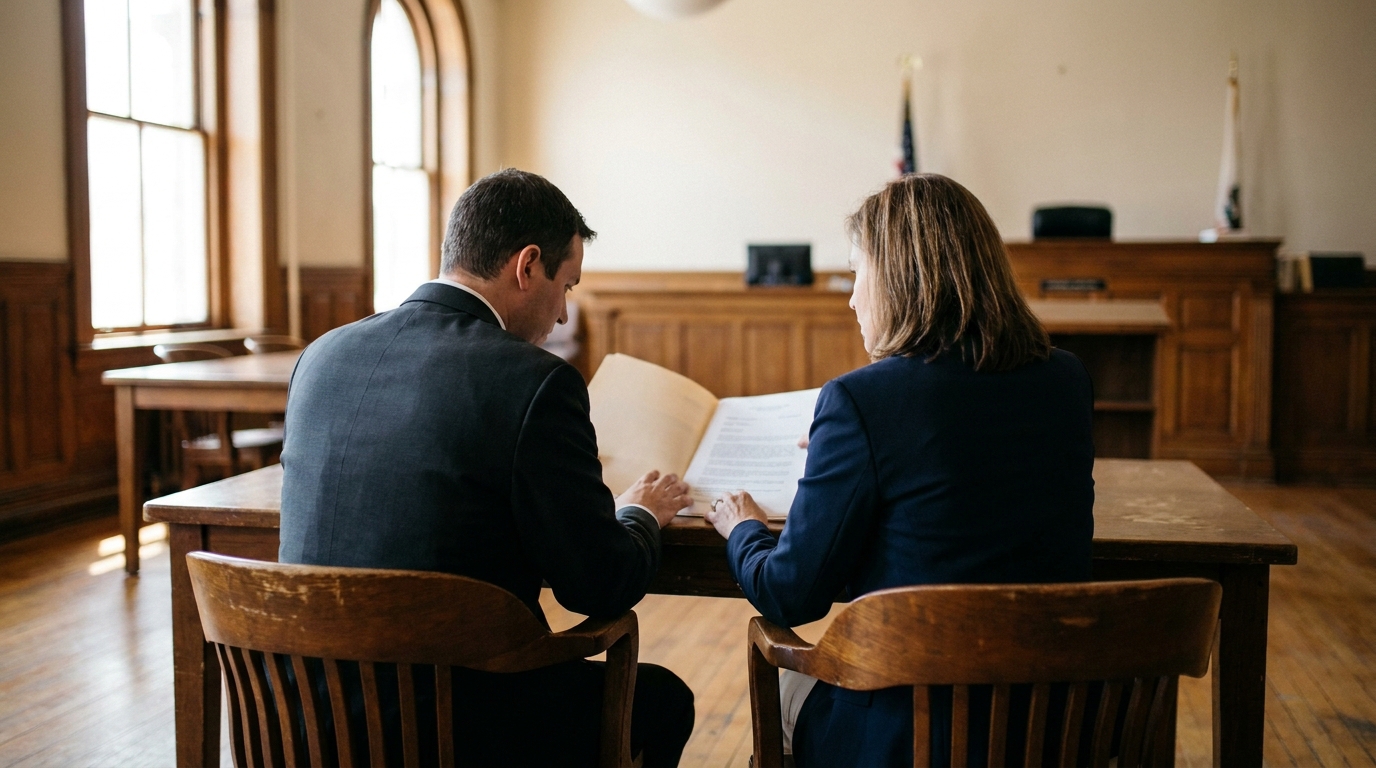
Your defense attorney’s role in plea negotiations extends far beyond relaying an offer from the prosecutor. A strong attorney reviews discovery, evaluates suppression issues, assesses the prosecution’s evidence, and identifies leverage. In Albany County, assistant district attorneys may make early offers, sometimes before all discovery is exchanged under New York’s CPL § 245.10 requirements. An experienced criminal defense lawyer in Albany knows the first offer is rarely the best.
Effective plea negotiation also requires familiarity with what the Albany County DA’s office typically seeks and what judges will accept. On some drug felonies, diversion or treatment-court alternatives may be realistic. On violent felonies, the range narrows, and a plea to a lesser included offense may be the most favorable outcome. Your attorney should compare the offer to likely trial outcomes and sentencing exposure on the top charge.
💡 Pro Tip: Never accept or reject a plea offer without reviewing the discovery with your attorney. The strength of the evidence often determines whether a deal makes sense.
How the Judge Reviews and Approves a Plea Bargain
A plea bargain is not final simply because prosecution and defense agree to it. Before it takes effect, the judge must review and approve it. Judges consider the charges, the defendant’s criminal history, and case circumstances when deciding whether to accept a proposed deal.
What the Judge Can Do With a Plea Offer
The judge has several options when a plea bargain is presented. The court may accept the deal, reject it, or decline to follow the proposed sentencing recommendation. If the judge accepts the guilty plea but imposes a different sentence than the parties agreed upon, the defendant is generally entitled to withdraw the plea. If the judge rejects the plea outright, negotiations may continue or the case moves toward trial.
| Judge’s Action | What It Means for the Defendant |
|---|---|
| Full acceptance | The plea and agreed sentence proceed as negotiated |
| Acceptance of plea but different sentence imposed | Defendant generally may withdraw the plea |
| Full rejection | Parties return to negotiation or proceed toward trial |
💡 Pro Tip: If a judge expresses concerns about a proposed deal during a conference, that feedback can help your attorney renegotiate before terms are put on the record.
What Happens Once a Judge Accepts the Plea
Once a judge accepts a plea agreement and enters the conviction, the court generally cannot later overturn it. An exception may apply when the plea requires future conditions, such as completing treatment or cooperating, and the defendant fails to comply, allowing the court to revisit the disposition.
The Plea Colloquy: What the Judge Will Ask You
When you enter a guilty plea in Albany County Court, the judge conducts a plea colloquy to confirm your plea is knowing, voluntary, and intelligent. The court must establish on the record that you understand the charge, the rights you are giving up, and potential sentencing consequences. You will be placed under oath and asked to admit facts supporting the plea.
Rights You Waive by Pleading Guilty
By entering a guilty plea, you give up several fundamental constitutional rights. These include:
- The right to a trial by jury
- The right to confront and cross-examine witnesses
- The protection against self-incrimination under the Fifth Amendment
- The right to require the prosecution to prove guilt beyond a reasonable doubt
If you are not a United States citizen, the court must confirm you understand a conviction could lead to deportation, exclusion, or denial of naturalization. Defense counsel should address immigration consequences before any plea is entered. If you were arrested in Albany and are unsure how a conviction could affect status, raise it with your attorney immediately.
💡 Pro Tip: If you hold a New York State professional license (for example, nursing, social work, accounting, or teaching), a felony conviction can trigger separate discipline. Ask your attorney to evaluate collateral consequences, not just the sentence.
When a Plea May Not Hold Up: Challenges After Sentencing
A conviction resulting from a guilty plea that was not knowing, voluntary, and intelligent may be subject to vacatur. This most often arises when a defendant lacked counsel or the record shows they did not understand key consequences.
In practice, challenging a plea after sentencing is difficult but possible in limited situations. A defendant may file a motion under New York CPL § 440.10 to vacate the judgment, arguing the plea was defective. Courts look to the colloquy transcript, representation by counsel, and whether the judge adequately explained the rights waived and consequences. This is why attorney involvement at the plea stage is critical.
What Happens After the Plea Is Accepted
If the judge accepts the deal, the plea is typically taken in open court and sentencing may occur then or later. For serious felonies, sentencing is often adjourned for a pre-sentence investigation report. During that time, your attorney may submit materials supporting a lower-end sentence or highlighting mitigation. How judges review plea bargains and approach sentencing can vary, so local experience matters.
💡 Pro Tip: The time between plea and sentencing matters. Use it to start treatment, secure employment verification, and gather character references.
Frequently Asked Questions
1. Can I withdraw my guilty plea after the judge accepts it?
Generally, withdrawing a plea after judicial acceptance is limited. If the judge imposes a different sentence than agreed upon, you may be able to withdraw. Otherwise, you typically must pursue a CPL § 440.10 motion arguing the plea was not voluntary or was otherwise defective, which is granted only in narrow circumstances.
2. Does the judge have to accept the plea deal my attorney negotiated?
No. A judge may accept, reject, or decline to follow a proposed sentencing recommendation. If the judge rejects the deal, the case returns to pretrial posture and you keep all trial rights.
3. How long does the felony plea process take in Albany County Court?
The timeline varies based on complexity, discovery, and motion practice. Some cases resolve within months; others, especially with multiple defendants or extensive forensic evidence, may take a year or longer. Your attorney can estimate timing based on your facts.
4. Will a felony plea bargain result in a criminal record?
Yes, in most cases. A guilty plea to a felony results in a felony conviction, even if reduced from the indictment. New York’s Clean Slate Act (2023) provides for automatic sealing of eligible felony convictions eight years after sentencing or release, if there are no new convictions or pending charges. Certain offenses, including non-drug Class A felonies and sex offenses requiring registration, are not eligible.
💡 Pro Tip: Before accepting any plea, ask your attorney to review collateral consequences, including voting rights, firearm possession, public housing eligibility, immigration, and licensing.
Facing Felony Charges in Albany? Know Your Options Before You Decide.
A felony plea bargain can be the right move or a serious mistake, and the difference often comes down to understanding the offer, the evidence, and the alternatives. Albany County Court felony cases demand preparation. Whether you are evaluating a plea offer or considering trial, an attorney familiar with this courthouse can make a meaningful difference.
The attorneys at Hacker Murphy represent clients facing felony charges throughout Albany County and the Capital Region. Call 518-274-5820 to discuss your case, or contact us today to get started.