
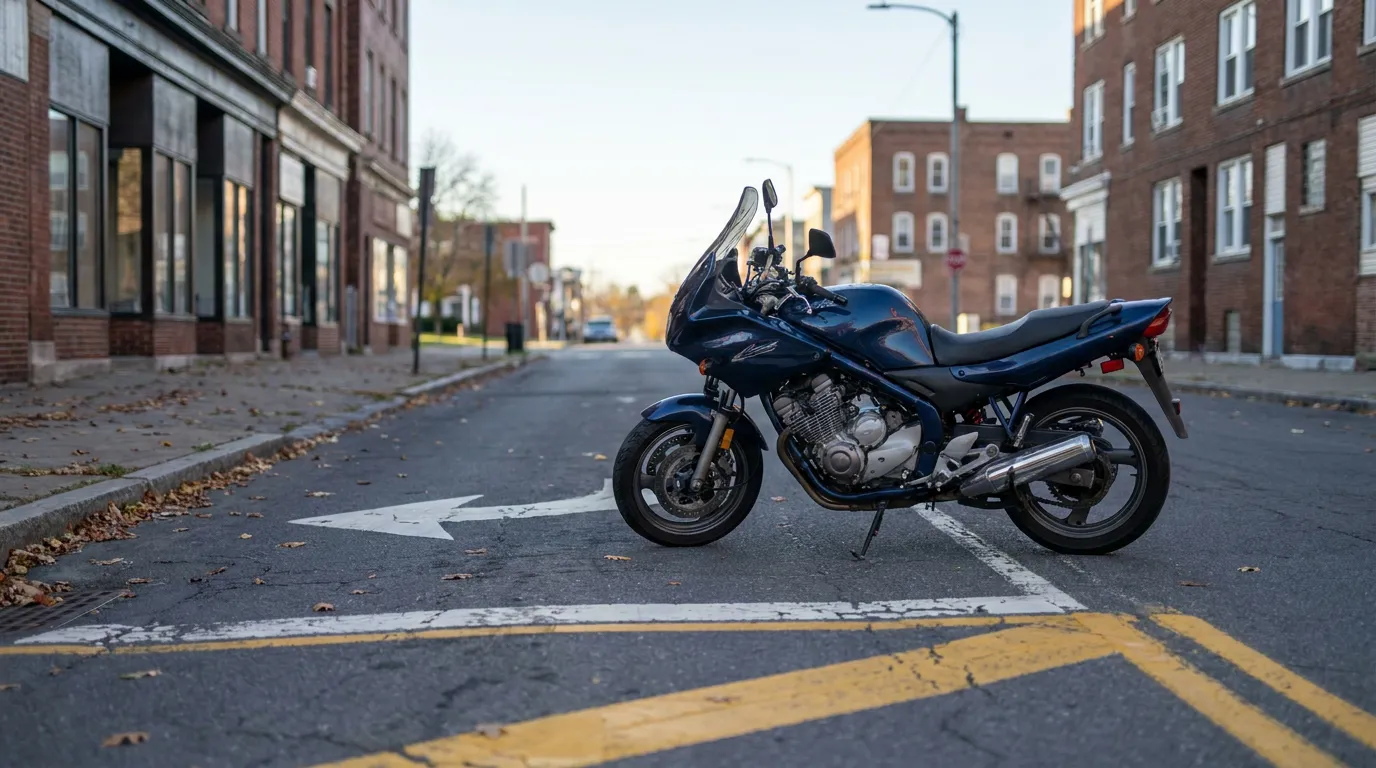
Determining Fault When a Driver Turns Left Into a Motorcyclist
Key Takeaways: In most Albany left-turn motorcycle crashes, the driver who turned left carries primary liability for failing to yield the right-of-way, though establishing fault requires proving duty, breach, causation, and damages. Liability can extend to manufacturers or employers when defective parts or on-the-job driving contributed. New York’s no-fault system excludes motorcyclists, so injured riders must rely on their own motorcycle coverage, the at-fault driver’s liability policy, SUM coverage, or MVAIC. Because motorcyclists are not "covered persons" under no-fault, an injured rider’s claim for non-economic damages is generally not subject to the serious injury threshold in NY Insurance Law § 5104(a). Under New York’s comparative negligence framework, motor vehicle accident plaintiffs are now subject to a 50 percent bar in certain cases: as of May 27, 2026, CPLR § 1411 was amended by adding subsection (b) to apply modified comparative negligence to motor vehicle accidents subject to Insurance Law Article 51, a plaintiff more than 50% at fault cannot recover. Pure comparative negligence continues to apply to non-motor-vehicle personal injury cases under CPLR § 1411(a). Riders still can recover reduced damages if their fault is 50% or less, though insurers often exploit anti-motorcyclist bias. Prompt investigation, preserved evidence, and credible proof of liability and damages are essential to protecting claim value.
In most Albany left-turn motorcycle crashes, the driver who made the left turn bears primary liability for failing to yield the right-of-way to an oncoming rider. New York traffic rules require turning motorists to wait until the path is clear. However, insurers routinely argue the motorcyclist was speeding, lane-splitting, or otherwise contributed to the collision. Fault is a factual question tied to negligence that shapes every dollar of compensation an injured rider can pursue.
If you suffered a serious injury in a left-turn crash, the team at Hacker Murphy can help. Call us at 518-274-5820 or reach out through our online case review request to discuss your situation.
Why the Left-Turning Driver Usually Carries the Blame
A driver turning left across oncoming traffic owes a duty to yield, and breaching that duty is the classic basis for liability in these collisions. When a motorist turns into the path of a rider traveling straight through an Albany intersection, they generally violate right-of-way rules. Courts and juries view an unyielded left turn as strong evidence of negligence.
Establishing fault requires proof of the four negligence elements: duty, breach, causation, and damages. Every driver must operate with reasonable care, and failing to yield is a recognized breach. The rider must show the breach directly caused the crash and injuries. These elements are explained in this overview of motorcycle accident negligence claims.
💡 Pro Tip: Photograph final vehicle positions, skid marks, and damage points before anything is moved. Physical evidence often becomes the backbone of accident reconstruction that counters a "the biker came out of nowhere" defense.
Liability Can Reach Beyond the Turning Driver
In many cases, more than one party may share responsibility. While the turning motorist is the obvious defendant, injuries sometimes trace to mechanical failure. When a defective component contributes to a crash, liability can extend to others in the distribution chain.
Product liability principles allow claims against manufacturers, distributors, or retailers when a defective part such as failed brakes or tires played a role. Under strict liability theory, an injured party needs to prove a defect existed and caused injury, rather than proving carelessness.
Identifying every potentially responsible party early protects claim value. Recurring patterns include the turning driver’s insurer minimizing the crash while overlooking co-defendants, such as employers whose workers were driving on the job. Thorough investigation helps ensure no source of recovery is missed.
How Insurance Works for Injured Motorcyclists in New York
New York’s no-fault system treats motorcyclists very differently from car occupants. Under NY Insurance Law § 5103(a)(1), first-party no-fault benefits do not extend to motorcycle occupants. A motorcyclist injured in a left-turn crash cannot file a standard no-fault claim.
Instead, riders must look to their own motorcycle coverage or pursue the at-fault driver’s liability insurance. This makes fault determination especially important, because recovery for medical bills and lost income depends on establishing the other driver’s negligence. The dynamics are discussed in our look at the challenges of Albany motorcycle cases.
When the at-fault driver is uninsured, unidentified, or driving a stolen vehicle, additional avenues exist. The Motor Vehicle Accident Indemnification Corporation, created under NY Insurance Law § 5201(a)-(b), compensates victims injured by financially irresponsible motorists. Separately, NY Insurance Law § 3420(f)(2)(A) requires motor vehicle policies to offer supplementary uninsured/underinsured motorist (SUM) coverage, and requires at-fault insurers to disclose coverage limits within 45 days of written request.
Here is how the main coverage sources compare:
| Coverage Source | When It Generally Applies |
|---|---|
| At-fault driver’s liability policy | Driver is insured and negligence is established |
| Your own SUM coverage | At-fault driver is uninsured or underinsured |
| MVAIC (§ 5201) | Driver is unidentified, uninsured, or stolen vehicle |
💡 Pro Tip: Send a written request for the at-fault driver’s policy limits early. If the insurer fails to disclose within the statutory window, the SUM claim period may be tolled, preserving options that would otherwise close.
The Serious Injury Threshold and Your Right to Sue
Because a motorcyclist is not a "covered person" under New York’s no-fault law, an injured rider’s claim for non-economic damages such as pain and suffering is generally not barred by the serious injury threshold. Under NY Insurance Law § 5104(a), the threshold applies to actions between "covered persons." New York courts have held that motorcyclists injured by negligent drivers may pursue pain and suffering without clearing the threshold. You can review the statutory language in the no-fault serious injury statute.
The statute’s "serious injury" categories still matter, as they define what counts as serious injury when the threshold does apply, and describe the catastrophic harm these crashes cause. Qualifying injuries typically include fractures, significant disfigurement, and permanent limitation of body organs or members. These outcomes are precisely what left-turn motorcycle crashes produce, from traumatic brain and spinal cord injuries to amputations and severe road rash.
Common categories of serious injury we see include:
- Bone fractures requiring surgical repair or hardware
- Significant permanent scarring or disfigurement
- Permanent limitation of use of a limb, joint, or the spine
How Comparative Fault Shapes Your Recovery
New York’s comparative negligence rules were amended for motor vehicle cases. As of May 27, 2026, CPLR § 1411 was amended to add subsection (b), which applies a modified comparative negligence rule to motor vehicle accident cases subject to Insurance Law Article 51: a plaintiff who is more than 50 percent at fault cannot recover damages. Pure comparative negligence under CPLR § 1411(a) continues to apply to non-motor-vehicle personal injury cases. Consequently, in most motorcycle accident actions a rider can recover reduced damages if found 50% or less at fault, but will be barred from recovery if found more than 50% responsible.
Insurers frequently exploit these rules by shifting blame onto riders using anti-motorcyclist bias. Adjusters place as much fault as possible on the rider by leaning on unfair stereotypes. Anticipating and rebutting that narrative with evidence is core to protecting a claim.
When a case reaches verdict, the court applies fault percentages before entering judgment. Under New York’s structured judgment rules in CPLR Article 50-B (§ 5041), comparative negligence set-offs are deducted proportionately from each damage item, and future damages above $250,000 are generally paid periodically. Importantly, NY CPLR § 5047 preserves the right to settle privately at any time.
💡 Pro Tip: Keep a consistent, dated record of treatment and how injuries affect daily life. Gaps in care are one of the most common arguments insurers use to discount both fault and injury severity.
Working With a Motorcycle Accident Lawyer Albany New York Residents Trust
Building a strong left-turn crash case takes prompt investigation, preserved evidence, and credible proof of both liability and damages. An experienced Albany motorcycle accident attorney can secure witness statements, coordinate accident reconstruction, and work with treating physicians to document the full extent of catastrophic injury. These steps matter most in the early weeks when physical evidence and memories are freshest.
A motorcycle crash lawyer in Albany, NY can also manage the insurance dynamics that trip up unrepresented riders. From no-fault coverage gaps to SUM claims and MVAIC filings, the procedural landscape is complex. You can learn more about how our firm handles these matters on our auto and motorcycle accident practice page.
💡 Pro Tip: Personal injury claims in New York are subject to strict filing deadlines. Because tolling and discovery-based extensions apply only in limited circumstances, treat the standard limitations period as your working deadline and act well before it lapses.
Frequently Asked Questions
-
Is the left-turning driver always at fault in a motorcycle crash?
Not automatically, though they usually bear primary responsibility. A driver turning left must yield to oncoming traffic, so an unyielded turn is strong evidence of negligence. However, a rider’s speed or conduct may reduce recovery under New York’s comparative negligence rules (see CPLR § 1411(b) for motor vehicle cases).
-
Can I recover if I was partly to blame for the collision?
Yes, you can still recover reduced damages in many cases. For motor vehicle actions subject to Insurance Law Article 51, New York now applies a modified comparative negligence rule under CPLR § 1411(b): a plaintiff who is more than 50% at fault cannot recover; if a plaintiff is 50% or less at fault, damages are reduced by their percentage of responsibility. Pure comparative negligence under CPLR § 1411(a) continues to apply to non-motor-vehicle personal injury cases.
-
Do no-fault benefits cover motorcycle riders in Albany?
Generally no, because NY Insurance Law § 5103(a)(1) excludes motorcycle occupants from standard no-fault first-party benefits. Riders typically rely on their own motorcycle coverage, the at-fault driver’s liability policy, SUM coverage, or MVAIC.
-
What if the at-fault driver had no insurance?
You may still have options through MVAIC or your own SUM coverage. NY Insurance Law § 5201 allows victims injured by uninsured, unidentified, or stolen vehicles to seek compensation, and motorcycles fall within its scope.
-
What injuries qualify to pursue pain and suffering damages?
An injured motorcyclist’s claim is generally not subject to the serious injury threshold, because riders are not "covered persons" under no-fault. A rider injured by a negligent driver can typically pursue pain and suffering without meeting the § 5104(a) standard, though the threshold can apply if a covered person brings a claim against the rider.
Protecting Your Claim After a Left-Turn Crash
Determining liability for a left-turn motorcycle crash in Albany starts with the turning driver’s failure to yield, but the full picture often includes multiple parties, layered insurance, and comparative fault arguments. Because motorcyclists face statutory hurdles and unfair bias, proving negligence and documenting injury extent requires careful, fact-driven work.
If you suffered a serious injury in a left-turn motorcycle crash, do not let an insurer define your fault. Contact Hacker Murphy today by calling 518-274-5820 or by submitting a free consultation request so our team can review your claim and help you pursue the compensation you deserve.