
How the Black Car Fund Protects For-Hire Drivers in the Capital Region
Key Takeaways: The New York Black Car Fund is a statutorily created not-for-profit corporation covering Albany rideshare drivers injured while affiliated with a participating central dispatch facility, coverage depends on dispatch relationship rather than geography. Under Article 6-F of the Executive Law, the fund provides workers’ compensation-style benefits, medical treatment, partial lost wages, a $100,000 accidental death benefit, and wellness programs, with coverage generally treated as primary for covered operators. The fund handles workers’ compensation benefits but does not replace auto insurance for crash injuries, so a collision can trigger overlapping claims across no-fault, TNC group liability policies, and the fund itself. Which coverage applies often turns on the driver’s app status at crash time, a point insurers frequently dispute. New York law protects injured drivers with firm no-fault payment timelines, interest penalties for overdue benefits, and a rule requiring first-party benefits be paid during app-status disputes. Because these systems interact and outcomes depend on specific facts, coordinating claims carefully and documenting injuries early is essential to full recovery.
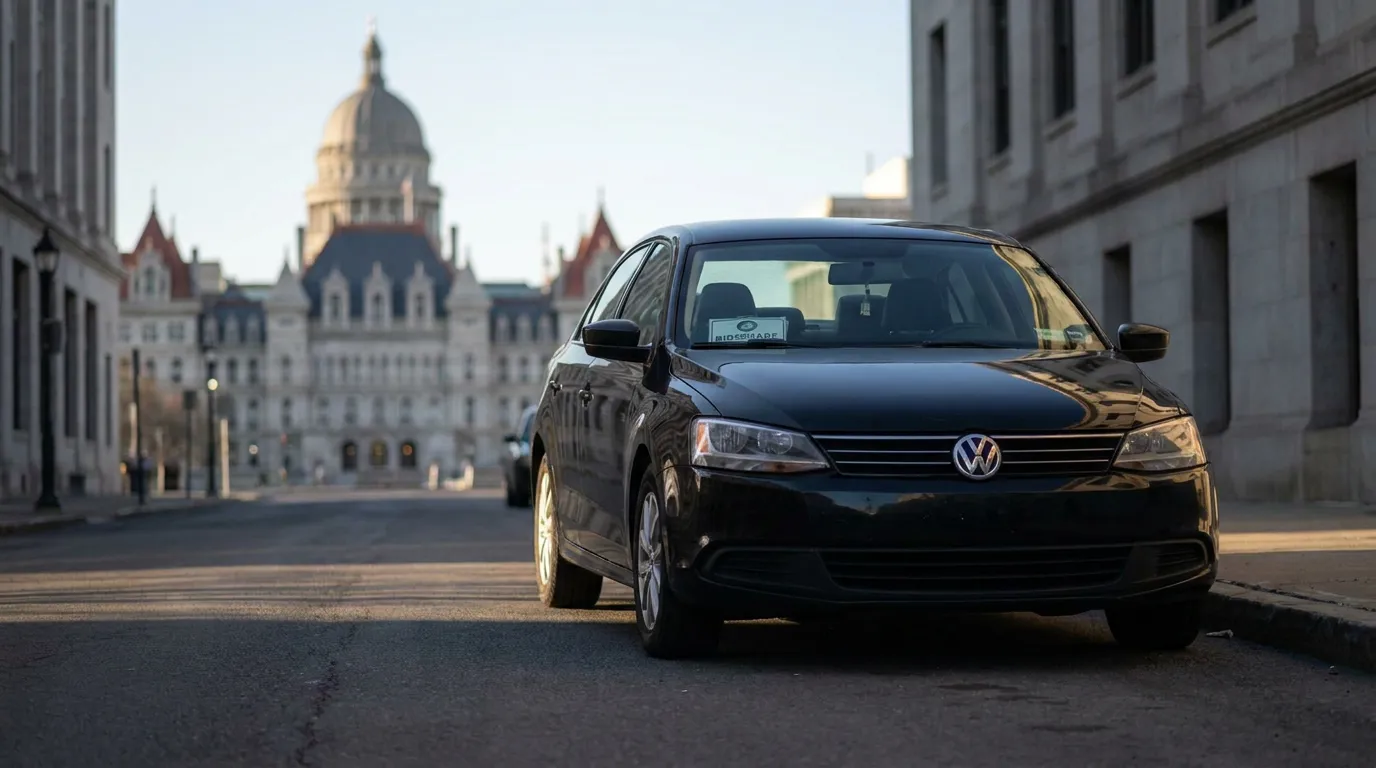
Yes, the New York Black Car Fund can cover Albany rideshare drivers, but only in specific situations tied to how and when the driver was working. The Black Car Fund is a statutorily created not-for-profit corporation providing workers’ compensation and related benefits to covered for-hire and rideshare drivers across New York State, including the Capital Region. If you were injured while logged into a covered dispatch platform, this fund may be the first source for lost-wage and medical benefits, separate from auto insurance covering crash injuries. Understanding which system applies to your injury often determines whether you face a smooth claim or months of delay.
If you are dealing with a serious rideshare injury near Albany and are unsure which benefits apply, the team at Hacker Murphy can help you sort it out. Call us at 518-274-5820 or reach out through our online contact form to discuss your options.
Black Car Fund Workers Comp: What the Program Actually Covers
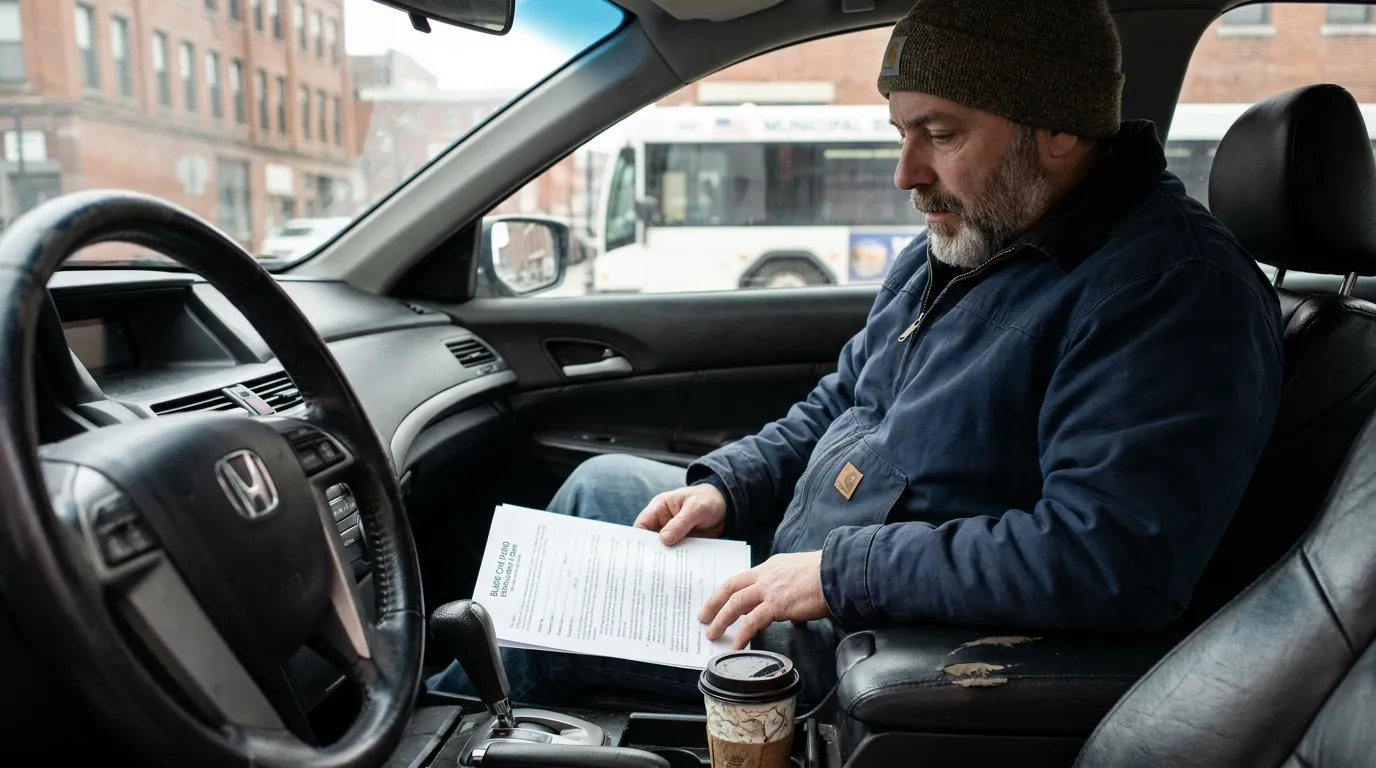
The black car fund workers comp program exists because New York law channels rideshare and black car dispatch companies’ compensation obligations into a single statewide fund. The fund is a not-for-profit corporation created by statute rather than a private insurer. Under N.Y. Executive Law § 160-dd, there is hereby created a not-for-profit corporation to be known as the New York black car operators’ injury compensation fund, inc. That statutory footing means the fund answers to a formal plan of operation and a board, not shareholders.
The program has grown beyond basic injury coverage. According to reporting on the fund, the Black Car Fund provides workers’ compensation and other benefits for over 100,000 Uber, Lyft, and other for-hire vehicle drivers across New York State. Beyond wage and medical benefits, the driver benefits available in New York include a $100,000 accidental death benefit, paid defensive driving and wellness seminars, and active vision care and telemedicine. For Albany drivers, the black car fund workers comp structure functions as a safety net extending past a single crash.
Common covered benefits generally include:
- Medical treatment for a work-related injury sustained while covered
- Partial replacement of lost wages during recovery
- A death benefit for a covered driver’s family
- Wellness, defensive driving, and other supplemental programs
Eligibility and benefit amounts depend on specific work status and injury facts, so this list is a general guide rather than a guarantee of any particular payout.
Does the Fund Cover Albany Rideshare Drivers?
Albany rideshare drivers can fall under the fund’s coverage when affiliated with a central dispatch facility participating in the fund. The statutory framework in Article 6-F of the Executive Law governs how injury and workers’ compensation coverage reaches affiliated drivers statewide. Coverage generally attaches only when the operator’s injury arose out of and in the course of providing services for a central dispatch facility that is a registered member of the fund, so the dispatch relationship, not geography within New York, is the deciding factor.
How Coverage Is Treated as Primary
When a covered black car operator is injured, the fund’s coverage is generally treated as the primary source of workers’ compensation benefits. Under N.Y. Workers’ Compensation Law § 11, a central dispatch facility that is a registered member of the fund generally satisfies its workers’ compensation obligation to covered black car operators through the fund, so separate coverage the facility buys for employees does not extend to an operator already covered by the fund. This is why rideshare companies do not separately carry standard workers’ comp for covered operators.
Why the Structure Exists
New York consolidated its safety-net compensation structures to create a more stable system. Under N.Y. Workers’ Compensation Law Article 6-A, § 106 addresses the consolidation of funds and definitions, while § 107 establishes the fund known as the workers’ compensation security fund, whose purpose is to assure compensation and benefits for employments insured in insolvent carriers. While that consolidated fund is separate from the Black Car Fund, it reflects the same policy goal of keeping compensation obligations backed and predictable. Reporting notes that despite rapid driver growth, the nonprofit fund raised rates only once in 18 years.
How the Fund Fits With Rideshare Insurance Layers
The Black Car Fund handles workers’ compensation-type benefits, but does not replace auto insurance paying for crash-related injuries. In a rideshare collision, a transportation network company group policy also applies. Under N.Y. Insurance Law § 3455(c), that policy must cover a rideshare vehicle consistent with Article 44-B of the Vehicle and Traffic Law and may add higher limits, uninsured and underinsured motorist coverage, and physical damage coverage. Understanding how coverage tiers work in rideshare cases is essential, because the applicable policy often depends on whether the app was off, on and waiting, or engaged in a trip.
These layers stack differently depending on the driver’s app status at crash time. A driver logged in but without a ride request generally has different coverage than one actively transporting a passenger. Insurers frequently dispute which phase applied, stalling both no-fault and liability claims. Sorting out the phase early using app data and trip records is one of the first things a plaintiff-side attorney does.
| Situation | Likely Benefit Source |
|---|---|
| Covered driver injured on the job | Black Car Fund workers’ compensation |
| Crash injuries and medical bills | No-fault and TNC group auto policy |
| Serious injury beyond no-fault threshold | Third-party liability claim |
A single crash can trigger multiple simultaneous claims. Administrative fund claims are separate from civil personal injury lawsuits, and pursuing one does not automatically resolve the other. Coordinating them to avoid undercutting each other takes careful sequencing.
When Benefits Are Delayed or Disputed
New York law sets firm timelines for paying no-fault first-party benefits, giving injured drivers leverage when insurers delay. Under N.Y. Insurance Law § 5106(a), first-party benefits are overdue if not paid within 30 days after the claimant supplies proof of loss, and all overdue payments shall bear interest at the rate of two percent per month, with a valid overdue claim also entitling the claimant to a reasonable attorney’s fee. Those consequences discourage unjustified delay.
Coverage disputes about app status get special protection under the same statute. N.Y. Insurance Law § 5106(d)(2) provides that a rideshare group policy must still pay first-party benefits when there is a dispute over whether the driver was operating in connection with a transportation network company, and the company must notify the personal auto insurer of the dispute within ten business days. If you face this problem, our discussion of what happens with an Albany rideshare injury claim when app status is contested walks through the process in detail.
Not every injury clears the threshold for full tort recovery, and that distinction matters. New York’s serious injury threshold under Insurance Law § 5102(d) generally limits pain-and-suffering claims to injuries such as fractures, significant disfigurement, or permanent limitation of a body organ or member. We focus on documenting medical severity early, because insurers routinely argue an injury falls short of the threshold. Whether your injury qualifies depends on specific medical facts, and courts interpret these categories narrowly.
💡 Pro Tip: Preserve your trip receipt, in-app status screenshots, and police report immediately after a crash. This documentation often decides which insurance layer and fund benefits apply before memories fade or app data is overwritten.
Frequently Asked Questions
1. Is the Black Car Fund the same thing as regular workers’ compensation?
Not exactly, though it serves a similar function. The fund is a statutorily created not-for-profit that satisfies a dispatch facility’s workers’ compensation obligations under Article 6-F. It provides workers’ compensation-style benefits to covered operators but operates under its own governing statute rather than as a standard employer policy.
2. Can I use both the Black Car Fund and file an injury lawsuit?
In many cases, yes, because they address different things. Fund benefits generally cover work-related injury and wage loss, while a personal injury claim pursues fault-based damages from an at-fault party. These are separate tracks, and pursuing one does not automatically waive the other.
3. What if the insurer says my app was off when I crashed?
That dispute does not automatically stop your no-fault benefits. Under Insurance Law § 5106(d)(2), the rideshare group policy must pay first-party benefits while the dispute is pending. App data and trip records are typically central to resolving which coverage phase applied.
4. Does the fund cover passengers or pedestrians hit by a rideshare car?
Generally no, because the fund is designed for covered drivers. Injured passengers, other motorists, cyclists, and pedestrians usually pursue recovery through no-fault and the applicable TNC liability policy. A serious injury may also support a third-party claim.
5. How quickly should I act after an Albany rideshare crash?
As soon as reasonably possible, since deadlines and evidence both erode over time. No-fault notice requirements are short, and civil statutes of limitations apply to injury lawsuits. These deadlines are distinct, and exceptions are interpreted narrowly, so early action protects your options.
Protecting Your Recovery After an Albany Rideshare Crash
The Black Car Fund is a meaningful safety net, but only one piece of a larger recovery picture for injured rideshare drivers and crash victims in the Capital Region. Between the fund’s workers’ compensation-style benefits, no-fault coverage, and layered TNC liability policies, an Albany rideshare injury often involves overlapping systems requiring careful coordination. Knowing which benefit applies, and when, keeps a claim from stalling. Because outcomes depend heavily on specific facts, general information is no substitute for case-specific review.
If you were seriously hurt in an Uber or Lyft collision near Albany, Hacker Murphy is ready to help you pursue the full recovery you are entitled to. Call us today at 518-274-5820 or request your consultation online to get started.